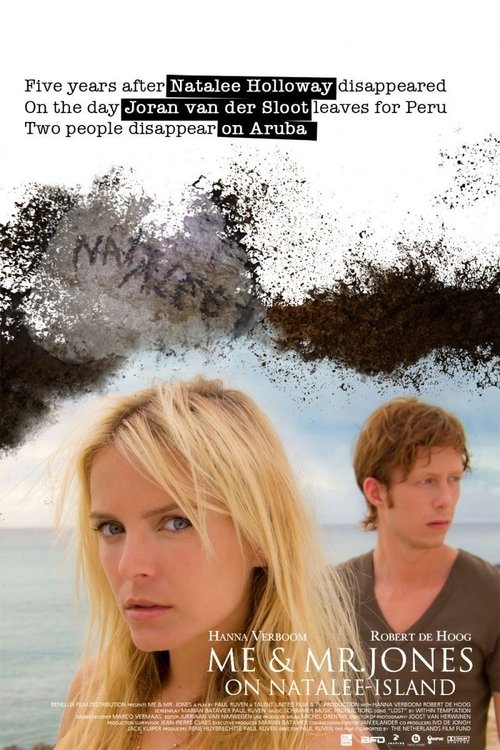
Me & Mr Jones on Natalee Island
2011
No user ratings available yet
Representation score: 2.5 out of 10
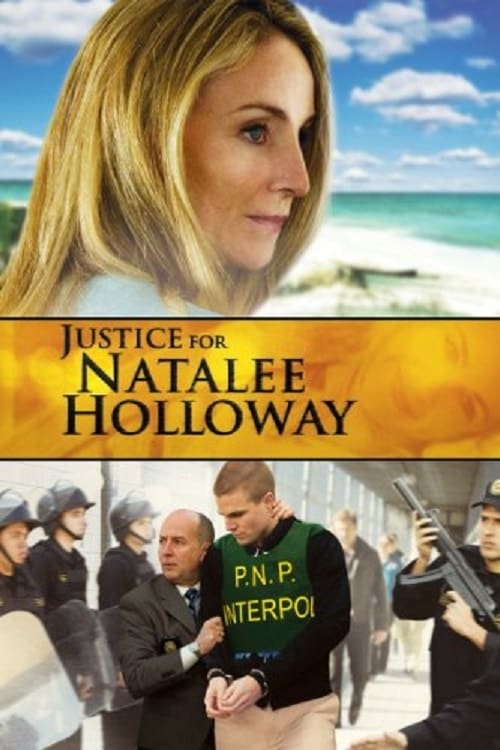
Representation Score
Fair
2011
TV-PGDirector
Stephen Kay
Runtime
87 minutes
Average Rating
No ratings yetNew Showbiz Analysis
This film follows a conventional docudrama format, focusing on a localized story of grief and procedural mystery. It relies on traditional storytelling techniques and a homogeneous cast. While the narrative touches on the tension between American and Aruban legal systems, it doesn't delve into broader cultural critiques. The film maintains a traditional approach to character development, offering limited representation of diverse identities.
Category Breakdown
The film doesn't include any LGBTQ+ characters or storylines. It focuses solely on a traditional family structure.
Sylvia Holloway plays a central role as a grieving mother, emphasizing her strength within a domestic context. However, her character doesn't challenge traditional gender roles.
The story centers on the white Holloway family's emotional journey. Despite being set in Aruba, the narrative stays rooted in an American perspective.
The plot highlights the clash between Western investigative methods and Aruban legal processes. However, it treats these differences as procedural issues rather than deeper cultural critiques.
The film doesn't depict any significant physical or cognitive disabilities. Characters face emotional trauma and grief rather than dealing with disabilities.
Present on Screen
Limited or Absent
Official Synopsis
Four years after the disappearance of her teenage daughter, a mother teams with the FBI to investigate another crime committed by the prime suspect.
2011

2010
2009

2014

2016

2021

2021

2005
No reviews yet. Be the first to share your thoughts on this movie!
Use the rating form above to leave a star rating and optional review.