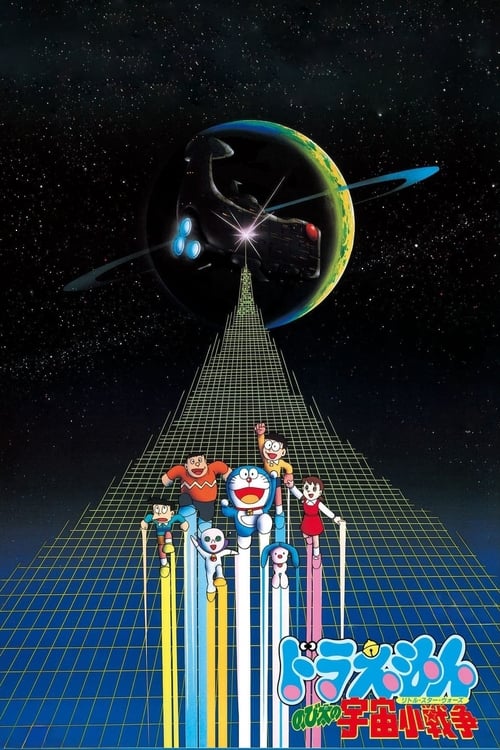
Doraemon: Nobita's Little Star Wars
1985
No user ratings available yet
Representation score: 2.1 out of 10
Representation Score
Fair
1982
Director
Akinori Nagaoka
Runtime
90 minutes
Average Rating
No ratings yetNew Showbiz Analysis
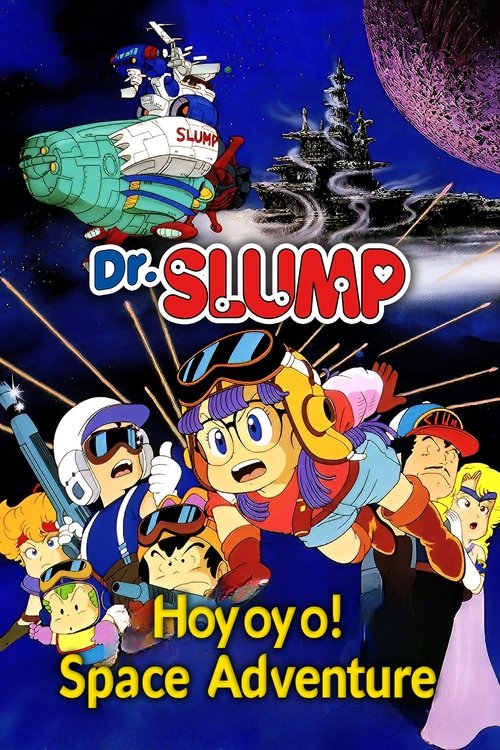
Dr. Slump: Hoyoyo! Space Adventure challenges traditional gender roles through Arale, whose physical dominance and active role defy passive female stereotypes. However, the film's stylized, non-human world limits its engagement with racial or ethnic diversity. Characters are often too abstracted or robotic to carry traditional cultural markers. Ultimately, the film is a lighthearted adventure that uses surrealism and absurdity to deconstruct genre expectations, while avoiding deeper social critiques.
Category Breakdown
The film operates within a traditional straight-centered framework. It does not feature LGBTQ+ characters, same-sex intimacy, or non-assuming gender matches what was assigned at birth gender identities.
The character Arale Norimaki challenges traditional gender roles through her extreme physical strength and non-submissive demeanor. She defies the damsel in distress cliché but the humor remains grounded in slapstick.
The film's stylized, fantastical setting avoids racial stereotypes but also lacks intentional ethnic representation due to its use of non-human and robotic entities.
The narrative prioritizes postmodern absurdity and situational chaos, avoiding structured social institutions and favoring non-conformity.
Arale’s robotic nature highlights physical otherness but her unique abilities are primarily used for slapstick comedy rather than exploring disability issues.
Present on Screen
Limited or Absent
Official Synopsis
When local teacher Midori Yamabuki receives an emergency summons to her home planet it turns out to be a trap devised by galactic warlord Dr. Mashirito, and it's up to Dr. Senbei Norimaki and a group of students (including his robot daughter Arale) to venture into space to save her.
1985
1986
2015

1982
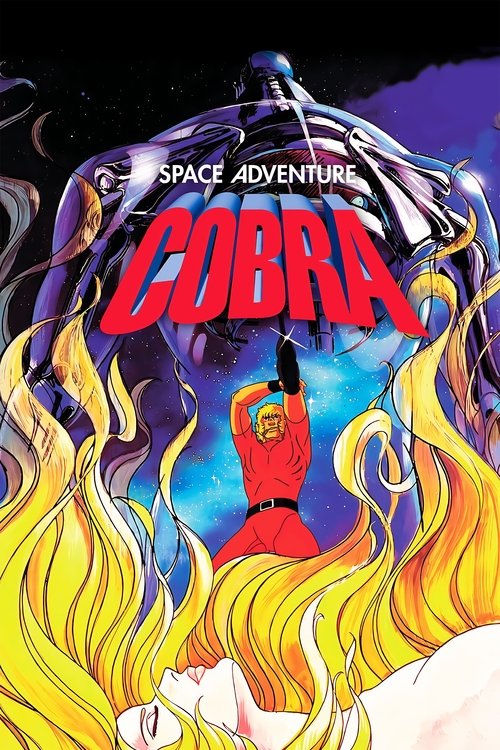
1982

1988
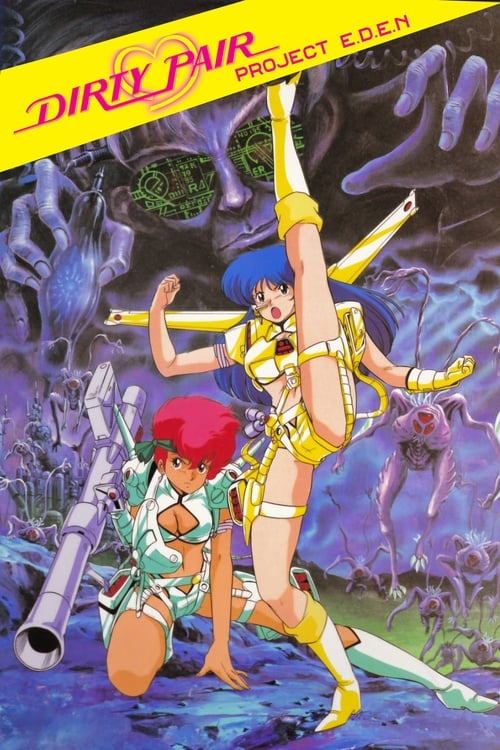
1986
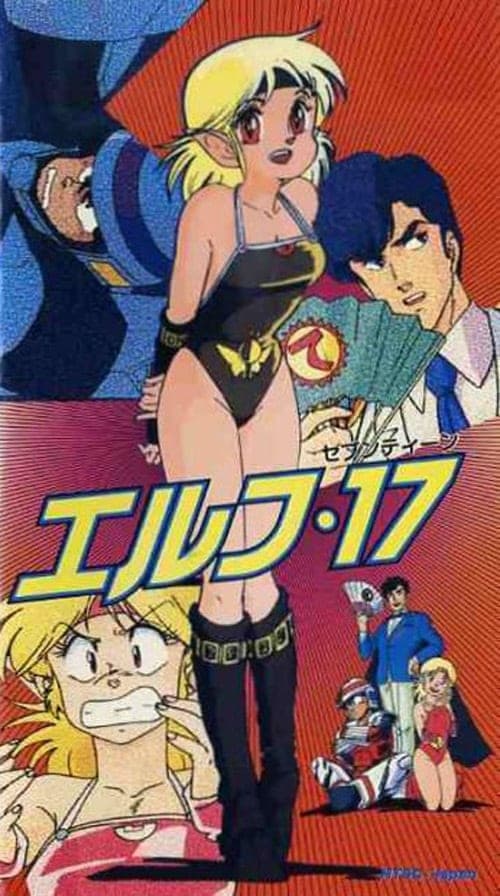
1987
No reviews yet. Be the first to share your thoughts on this movie!
Use the rating form above to leave a star rating and optional review.