You are here:

Hiko in Tonga: A Culture almost Lost

Hiko in Tonga: A Culture almost Lost

Representation Score

6.8/10

Good

2019

Approved

Director

Connie Paprika Leaverton

Runtime

62 minutes

Average Rating

No ratings yet

New Showbiz Analysis

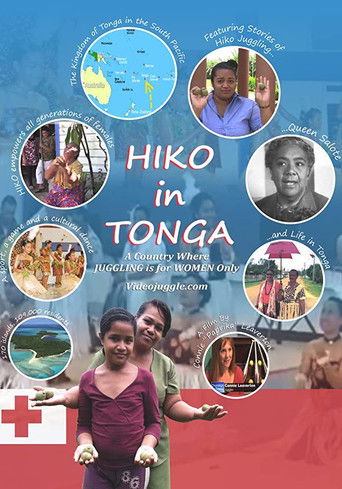
Hiko in Tonga: A Culture Almost Lost is a meaningful exploration of the way different parts of someone's identity overlap. It successfully centers Polynesian women as the primary drivers of their cultural survival, effectively disrupting conventional Western-centric documentary perspectives. The film excels by elevating a niche, vanishing cultural practice to the center of the frame. By focusing on a female-led lineage of jugglers, the documentary grants real power to its subjects and resists the homogenization of global media. While the film is strong in its ethnic and gendered focus, it remains neutral regarding LGBTQ+ identities and provides no information regarding disability representation.

Watch this, not that →

Category Breakdown

Does Hiko in Tonga: A Culture almost Lost have LGBTQ+ representation?

Fair

The film maintains a neutral stance regarding sexual orientation. It does not center queer narratives, though it avoids explicitly assuming everyone is straight.

How does Hiko in Tonga: A Culture almost Lost portray gender?

Good

The documentary centers a specialized skill-based practice exclusively within a female lineage. These women act as primary protagonists and keepers of their own history.

How racially and ethnically diverse is Hiko in Tonga: A Culture almost Lost?

Excellent

The film provides depth to indigenous subjects by centering a non-Western Polynesian community. This focus disrupts typical Anglo-centric documentary perspectives.

How does Hiko in Tonga: A Culture almost Lost represent religion and culture?

Excellent

The narrative prioritizes indigenous knowledge and non-Western traditions. It highlights the communal heritage involved in multi-generational cultural transmission.

Does Hiko in Tonga: A Culture almost Lost include disability representation?

Minimal

There is no mention of subjects with visible or invisible disabilities within the film's narrative.

Present on Screen

  • Centers a non-Western, Polynesian community with high ability to act.
  • Subverts traditional hierarchies by focusing on a female-led cultural lineage.
  • Prioritizes indigenous knowledge and communal heritage over Western individualism.

Limited or Absent

  • Lacks explicit representation or narrative focus regarding LGBTQ+ identities.
  • Provides no information or visibility regarding disability representation.

Official Synopsis

A multi-generational film of a unique, vanishing culture of Polynesian women jugglers in The Kingdom of Tonga.

How are these scores produced? →

Where to Watch

Rate this Movie

No rating selected
Use arrow keys to select a rating from 1 to 5 stars
Optional text review, maximum 2000 characters
Tip: Wrap spoilers with ||double pipes|| to hide them
0/2000 characters
You must be signed in to submit a rating

Reviews

No reviews yet. Be the first to share your thoughts on this movie!

Use the rating form above to leave a star rating and optional review.