
Accused
2005
No user ratings available yet
Representation score: 3.5 out of 10
Representation Score
Good
2005
Director
Ivan Boeckmans, Guy Lee Thys
Runtime
95 minutes
Average Rating
No ratings yetNew Showbiz Analysis
Suspect is a provocative drama that prioritizes social critique over genre clichés. It succeeds by aggressively challenging traditional gender hierarchies and deconstructing the stability of Western institutions like the law and the family unit. However, the film's progressive impact is limited by its narrow demographic scope. The narrative lacks significant racial or LGBTQ+ breadth, focusing instead on a homogeneous social environment. Ultimately, the film is a study of institutional failure. It trades broad inclusivity for a deep, uncomfortable look at how social and legal structures can be manipulated.
Category Breakdown
The film focuses on gendered power dynamics and past romantic relationships rather than explicit LGBTQ identities. There are no characters who challenge traditional gender norms or suggest LGBTQ themes.
The narrative disrupts traditional gender hierarchies by centering women's roles. Characters like Lydia and the Commissioner actively challenge male authority, presenting the male protagonist as a victim of female-led social movements.
The story appears to center on a localized, homogeneous social unit. There is no evidence of racial diversity or varied casting within this Western social context.
The film sharply critiques Western institutions, including the legal system and the nuclear family. It portrays these foundational structures as corrupt and prone to systemic failure.
Jimmy Vandevyver provides a central element of disability representation. His mental condition is a key part of the family's emotional landscape and character dynamics.
Present on Screen
Limited or Absent
Official Synopsis
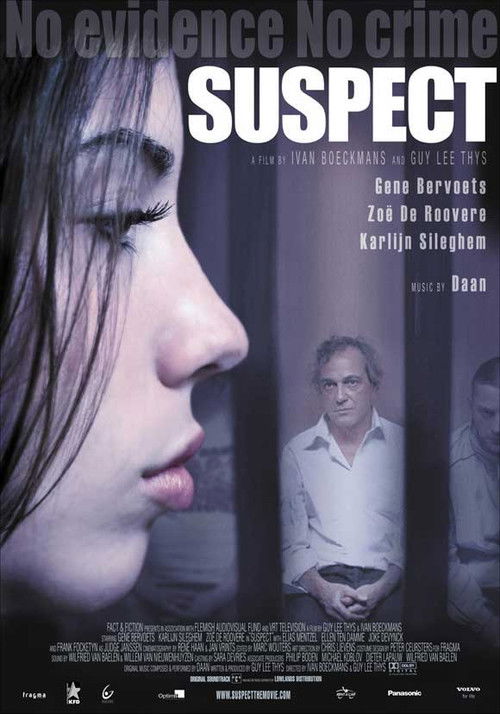
Teacher Rob Dekoster is a good man, albeit a bit too frivolous and liberal with funds the local arts center's interim director. His wife Nelle, who sometimes abuses drugs, spoils his ingrate teenage stepdaughter Sandy, who is kind only to her sweet, mentally handicapped brother, Jimmy Vandevyver. After a class on sexual abuse from feminist teacher Lydia De Beule, Sandy pretends Rob abused her. Lydia, Rob's ex, eagerly helps her fabricate 'proof', which a female police commissioner eagerly believes. A frustrated judge (and father) shamelessly ignores the legal benefit of the doubt, even tricks Rob while in jail. Nelle discovers more then one sick truth.
2005

2020

2013

1964

2006

1997

2015

1998
No reviews yet. Be the first to share your thoughts on this movie!
Use the rating form above to leave a star rating and optional review.