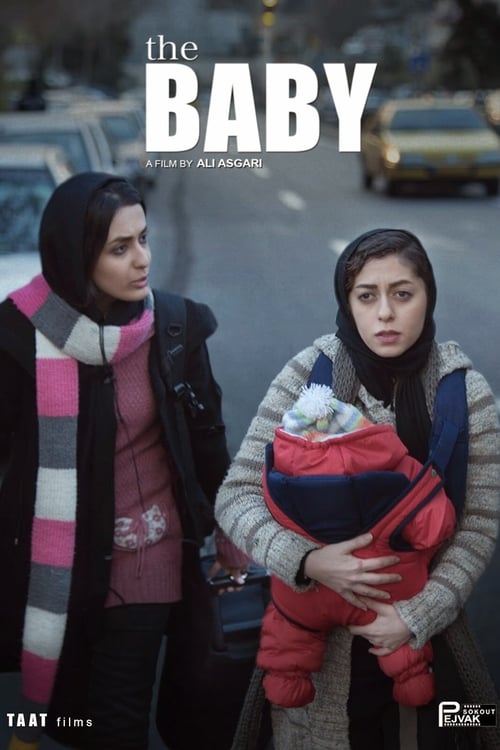
The Baby
2014
No user ratings available yet
Representation score: 5.9 out of 10

Representation Score
Excellent
2022
Director
Ali Asgari
Runtime
86 minutes
Average Rating
No ratings yetNew Showbiz Analysis
Until Tomorrow succeeds as a sophisticated study of individual autonomy against systemic pressure. It excels by centering women's ability to drive the story and offering a non-Western perspective that avoids Hollywood archetypes. The film's strength lies in its subversion of traditional social hierarchies. By framing family and religious institutions as sources of surveillance, it creates a compelling critique of institutionalized morality. However, the narrative lacks depth in specific representation categories. There is no overt LGBTQ+ presence, and mental health elements function more as plot devices than nuanced character studies.
Category Breakdown
The film does not feature explicit LGBTQ+ characters or narratives. Themes of secrecy and hidden lives are explored but are linked to societal and legal pressures rather than queer identity.
Female protagonists play a significant role in driving the story while managing a high-stakes crisis. The narrative challenges patriarchal hierarchies through female solidarity and strategic intellect, rather than portraying women as passive victims.
The cast includes non-Western and non-Anglo-Saxon actors, providing a perspective outside of Hollywood norms. The setting and casting are authentic to the specific cultural textures of Tehran.
Traditional institutions like family and religion are portrayed as obstacles to be navigated. The film prioritizes individual survivalist ethics over the preservation of systemic or religious norms.
Psychological distress and self-harm serve as plot catalysts but are not explored in depth as lived experiences of disability. The focus remains on the situational crisis.
Present on Screen
Limited or Absent
Official Synopsis
Student Fereshteh has to hide her illegitimate baby for one night from her parents who turn up for a surprise visit. Her friend Atefeh helps her. They embark on an odyssey through Tehran during which they must carefully weigh up who their allies are.
2014
2004
2017
2017
2018
2023
2014
2020
No reviews yet. Be the first to share your thoughts on this movie!
Use the rating form above to leave a star rating and optional review.