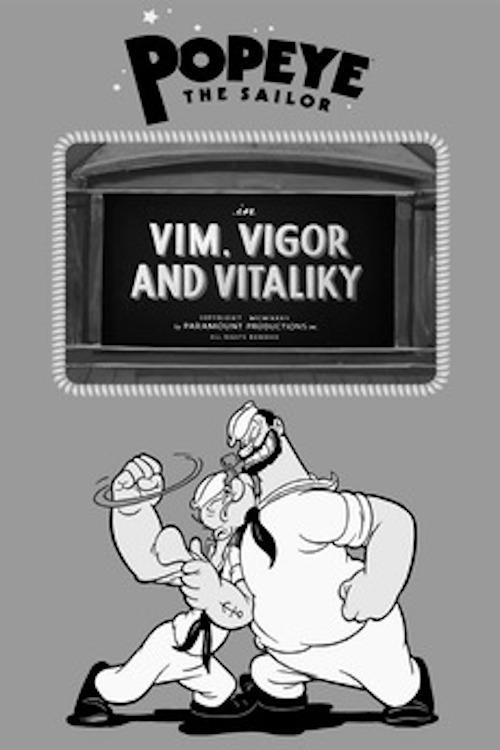
Vim, Vigor and Vitaliky
1936
No user ratings available yet
Representation score: 2.1 out of 10
Representation Score
Minimal
1936
Director
Dave Fleischer
Runtime
6 minutes
Average Rating
No ratings yetNew Showbiz Analysis
This 1936 animation serves as a standard example of early 20th-century commercial entertainment. It operates strictly within the established social and gender hierarchies of its time, utilizing traditional character archetypes to drive its slapstick comedy. The film reinforces conventional romantic and gendered power dynamics. Rather than disrupting social structures, the plot relies on a patriarchal model where physical capability and knowledge are passed from the male lead to the female lead. Overall, the work lacks meaningful representation of diverse identities, focusing instead on a homogeneous cast and traditional interpersonal clichés common to the Fleischer Studios era.
Category Breakdown
The film follows a conventional romantic tension model focused on the established heterosexual relationship between Popeye and Olive Oyl. There is no evidence of LGBTQ+ identities or narratives that critique the assumption that everyone is straight or cisgender.
The narrative centers on a traditional dynamic where the male protagonist instructs the female protagonist. While a female boxer appears, her role is defined by her desirability to men.
The work lacks visible racial or ethnic diversity in its primary cast. The narrative focuses on a homogeneous character set typical of the 1930s studio system.
The film adheres to the social norms of its era, emphasizing traditional interpersonal dynamics. It reinforces rather than challenges the social norms of the mid-1930s through standard romantic clichés.
There is no evidence regarding the portrayal of physical or neurodivergent disabilities within the film's narrative.
Present on Screen
Limited or Absent
Official Synopsis
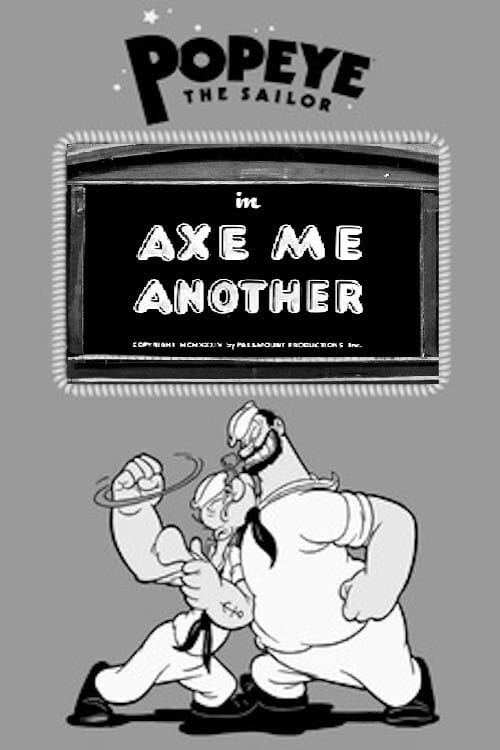
Popeye teaches Olive the art of self-defense, which comes in handy when a woman boxer flirts with him.
1936
1938
1936
1933
1936
1933
1934
1934
No reviews yet. Be the first to share your thoughts on this movie!
Use the rating form above to leave a star rating and optional review.