Recalled
2021
No user ratings available yet
Representation score: 7.1 out of 10
Representation Score
Fair
2007
Director
Lee Myung-se
Runtime
110 minutes
Average Rating
No ratings yetNew Showbiz Analysis
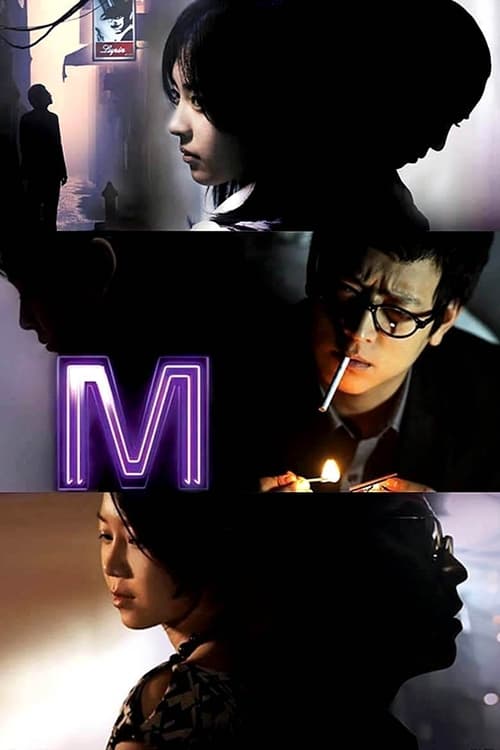
Lee Myung-se’s M is a highly stylized, postmodern exploration of memory that prioritizes visual poetry over social realism. Because the film operates within a subjective, dreamlike reality, it focuses on the protagonist's internal psychological state rather than broad demographic representation. The work succeeds in deconstructing traditional masculine roles by presenting a protagonist who is fragmented and unable to distinguish reality from fantasy. This subverts the cliché of the decisive, competent male lead. However, the film remains narrow in scope. It functions as a culturally specific piece of South Korean auteur cinema with a homogeneous cast, offering little engagement with diverse identities or non-assuming gender matches what was assigned at birth narratives.
Category Breakdown
The film focuses on a central romantic relationship between a male writer and a female figure. It lacks explicit LGBTQ+ characters or narratives that question the assumption that everyone is straight or cisgender.
The story centers on a male protagonist, yet disrupts traditional gender roles by portraying him as emotionally unmoored and lost. Women are present but do not serve as the primary drivers of the plot.
As a South Korean production, the cast is largely homogeneous. The film focuses on internal psychological landscapes rather than diverse representation or casting.
The narrative promotes moral and perceptual relativism by blurring truth and dreams. It suggests a departure from traditional social stability through the protagonist's personal instability.
The protagonist's profound cognitive disorientation and memory loss serve as a central aesthetic element. However, the film lacks the empowerment often found in disability representation.
Present on Screen
Limited or Absent
Official Synopsis
A young writer can't write a word for his next novel, he also doesn't feel right with his fiancée; because he falls in love with a woman, but he can't remember who she is and can't figure out if she's real or just a dream.
2021

1994
2016
2000
2014

2019
2010

2008
No reviews yet. Be the first to share your thoughts on this movie!
Use the rating form above to leave a star rating and optional review.