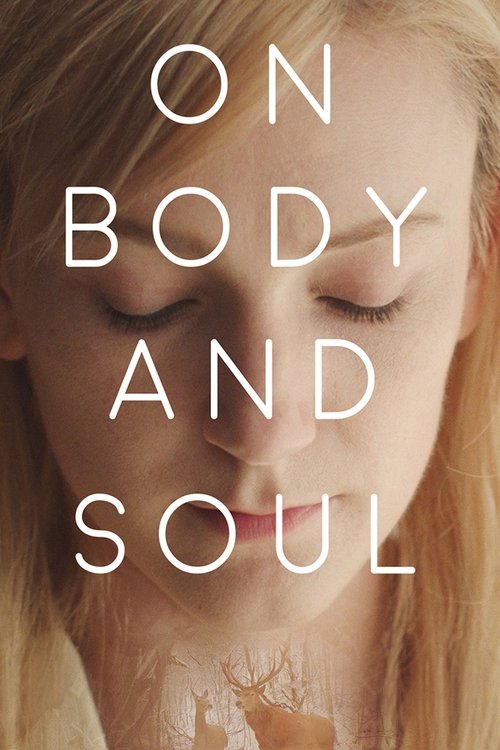
On Body and Soul
2017
No user ratings available yet
Representation score: 6.7 out of 10

Representation Score
Fair
2008
Not RatedDirector
Kim Ki-duk
Runtime
95 minutes
Average Rating
No ratings yetNew Showbiz Analysis
Kim Ki-duk’s *Dream* is a surrealist exploration of the subconscious that prioritizes ontological questions over sociopolitical commentary. The film uses dream logic to deconstruct the boundaries of reality and perception, focusing on the internal landscape of the individual. While the film excels in stylistic subversion and challenging the viewer's perception of an ordered world, it remains insulated from contemporary identity-based discourse. Ultimately, the work is defined by its postmodern fragmentation, seeking to transcend the boundaries of existence rather than social hierarchies.
Category Breakdown
The film does not explicitly depict non-straight or non-cisgender identities or intimate relationships. Instead, it focuses on the psychological bond between the main characters without delving into queer storylines.
The film's surreal structure blurs traditional gender roles and power dynamics, presenting characters more as archetypes of dreams rather than agents of social critique.
The cast is predominantly of a single cultural background within a South Korean context. While the film avoids harmful stereotypes, it does not feature multi-layered casting or challenge Anglo-centric norms.
The narrative embraces moral relativism and situational reality through its dream-state setting. By breaking down social norms within the subconscious, it critiques structured reality.
Themes of psychological instability and altered consciousness drive the plot. These elements serve as metaphysical devices rather than nuanced portrayals of neurodivergent experiences.
Present on Screen
Limited or Absent
Official Synopsis
In the aftermath of a car crash, a man discovers his dreams are tied to a stranger's sleepwalking.
2017
2015
2006
2007
2011
2016
2007

2011
No reviews yet. Be the first to share your thoughts on this movie!
Use the rating form above to leave a star rating and optional review.