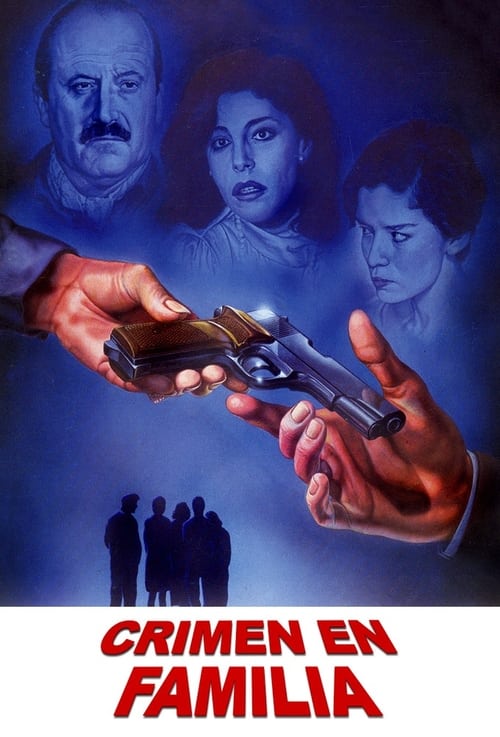
Crimen en familia
1985
No user ratings available yet
Representation score: 2.6 out of 10

Representation Score
Minimal
1995
Director
Vinicius Mainardi
Runtime
86 minutes
Average Rating
No ratings yetNew Showbiz Analysis
Sixteen-Oh-Sixty is a character-driven drama that prioritizes socioeconomic tension over identity politics. The film's core conflict arises from the collision of a wealthy executive and a family displaced by a violent mistake, exploring the collapse of domestic boundaries. While the film offers a critique of class stability and the consequences of systemic violence, it lacks significant markers of characters who reflect more than one aspect of diversity. The narrative focuses almost exclusively on the friction between disparate social classes. Ultimately, the film functions as a study of moral remorse and class-based tension rather than a vehicle for broader diversity themes.
Category Breakdown
The film does not include any visible LGBTQ+ characters or stories about non-cisgender identities. There is no evidence of queer representation in the narrative.
The story centers around a widow and her three children, placing a female figure at the heart of the domestic struggle. However, the narrative lacks details about female empowerment or the overturning of traditional gender roles.
The story focuses on class conflict rather than diverse racial backgrounds. There is no mention of a multi-ethnic cast or characters defined by race.
The film examines the instability of capitalist security and the moral complexities of class disparity. It explores the friction between extreme wealth and systemic vulnerability through forced proximity.
There is no indication of characters with physical, sensory, or neurodivergent disabilities. The narrative does not address disability representation.
Present on Screen
Limited or Absent
Official Synopsis
Rich executive being threatened by a burglar who had been caught trying to steal his mansion hires a hitman to kill him in prison. But another man is killed instead, leaving a widow and three kids. Full of remorse, he tries to help the family, taking everyone home. Soon, conflicts arise from the impossible coexistence of such contrasting families under the same roof.
1985

2000

1997

2005

2000

2019
1999

1994
No reviews yet. Be the first to share your thoughts on this movie!
Use the rating form above to leave a star rating and optional review.