Careless Crime
2021
No user ratings available yet
Representation score: 6.0 out of 10
Representation Score
Good
2019
Director
Hossein Pourseifi
Runtime
96 minutes
Average Rating
No ratings yetNew Showbiz Analysis
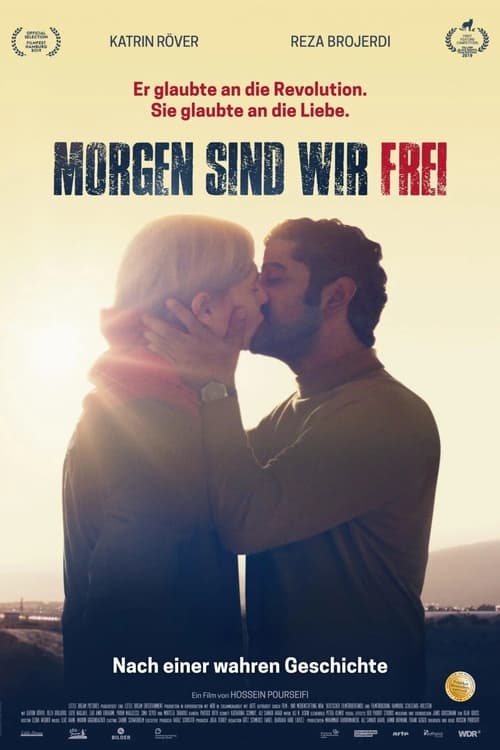
Tomorrow We Are Free uses the 1979 Islamic Revolution as a backdrop to examine how systemic shifts impact personal identity. The film excels at presenting a multi-ethnic perspective, using a German-Iranian family to explore themes of belonging and displacement. By centering on a professional woman and a political dissident, the film moves beyond simple historical drama into a study of individual ability to act versus institutional power. It effectively challenges monolithic views of national identity through its cross-cultural protagonist. However, the narrative focus remains tightly bound to the nuclear family, leaving little room for broader social representations like LGBTQ+ identities or disability. The scope is specialized rather than broadly inclusive.
Category Breakdown
The film focuses on a nuclear family unit navigating social restructuring. There is no explicit mention of LGBTQ narratives or non-straight identities within the central story.
Beate is portrayed as a professional chemical engineer. This role challenges traditional domestic expectations by placing a woman in a technical capacity during a period of political instability.
The story centers on a multi-ethnic family blending Iranian and German identities. This cross-cultural dynamic disrupts depictions of homogeneous national identities through the lens of displacement.
The narrative explores the friction between individual idealism and emerging state structures during the Islamic Revolution. It critiques established religious and political orders through a dissident's perspective.
The available information provides no evidence regarding the portrayal of physical or neurodivergent disabilities.
Present on Screen
Limited or Absent
Official Synopsis
Iran 1979. The Islamic Revolution is shaking up the country. Dissident Omid, who lived for several years in the German Democratic Republic with his wife, chemical engineer Beate and their mutual daughter, hears the call from his homeland and returns to Teheran with high hopes and best intentions, bringing along his family.
2021
2015
2015
1982
2001

2017
2025

2014
No reviews yet. Be the first to share your thoughts on this movie!
Use the rating form above to leave a star rating and optional review.