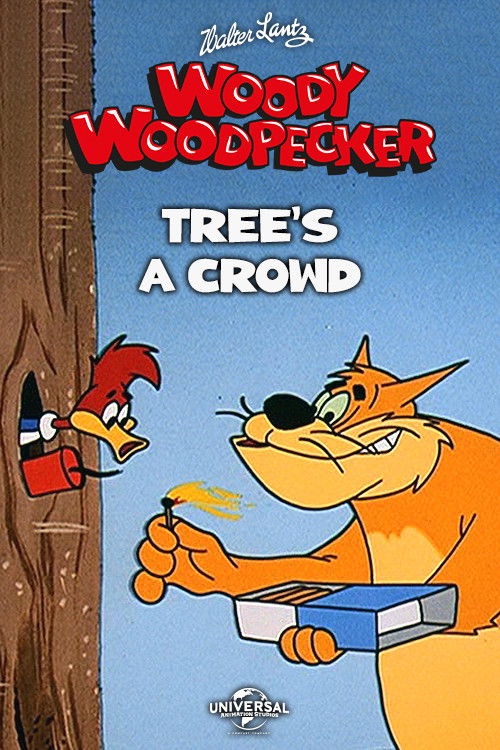
Tree's a Crowd
1958
No user ratings available yet
Representation score: 1.4 out of 10
Representation Score
Minimal
1954
Director
Paul J. Smith
Runtime
7 minutes
Average Rating
No ratings yetNew Showbiz Analysis
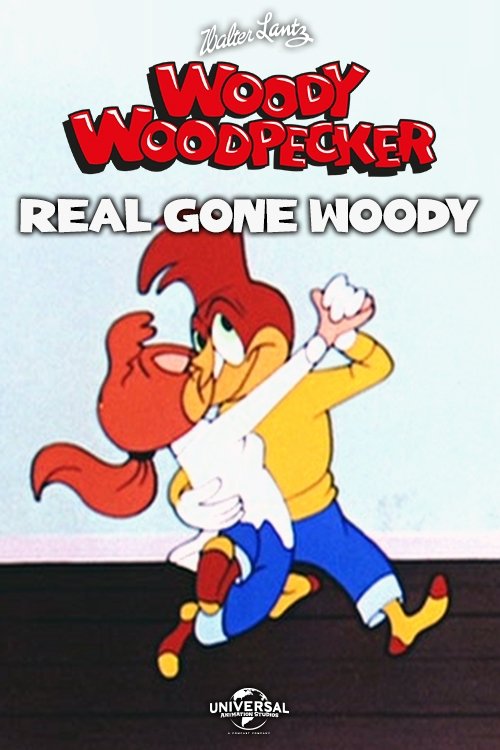
Real Gone Woody is a mid-century animated short that relies on a traditional romantic rivalry cliché. The plot follows a competitive structure where male characters vie for the attention of a central female figure, adhering to the slapstick traditions of the 1950s. The film prioritizes physical comedy and established social motifs over complex character development, reinforcing conventional social hierarchies rather than challenging them. Because the characters are non-human, the film lacks explicit racial or ethnic representation. The narrative remains focused on individual interpersonal conflict within a specific American cultural setting.
Category Breakdown
The story revolves around a romantic pursuit between Woody and Winnie Woodpecker, both of whom are assumed to be straight. There are no representations of LGBTQ+ identities or narratives involving non-traditional gender roles.
Winnie Woodpecker serves as the object of desire and the catalyst for conflict, reinforcing traditional gender roles common during the era.
The characters are anthropomorphic birds, which does not include intentional racial diversity. The lineup reflects typical studio productions of the mid-1950s.
The sock hop setting reflects mid-century American youth culture. The narrative focuses on interpersonal competition rather than addressing broader social or religious issues.
There is no information available regarding the depiction of physical or neurodivergent traits.
Present on Screen
Limited or Absent
Official Synopsis
Woody invites Winnie Woodpecker to a sock hop, but some other bird wants to be with her too, and they fight over her.
1958
1959
1956
1944
1960
1952
1958

1935
No reviews yet. Be the first to share your thoughts on this movie!
Use the rating form above to leave a star rating and optional review.