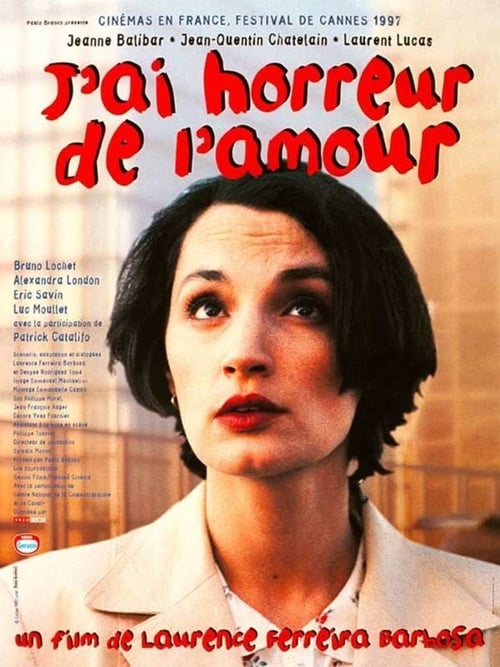
I Hate Love
1997
No user ratings available yet
Representation score: 6.5 out of 10
No Poster Available
Representation Score
Fair
1996
Director
Nils Tavernier
Runtime
5 minutes
Average Rating
No ratings yetNew Showbiz Analysis
The film stands out for its focus on LGBTQ+ identities and its engagement with the socio-medical realities of the AIDS era. By highlighting Valéria's internal journey, it disrupts conventional romantic clichés and provides significant roles to its female protagonists. However, the work is limited by a lack of racial diversity, reflecting a predominantly white, European cast. This demographic narrowness prevents the film from achieving a higher score despite its progressive thematic content. Ultimately, the film succeeds as a nuanced exploration of identity and ability to act, even while operating within a specific, less diverse cultural framework.
Category Breakdown
The film focuses on Valéria’s struggle and confession to Laurence, emphasizing non-straight relationships. Set within an AIDS-themed collection, it adds depth by connecting queer stories to the realities of the AIDS crisis.
The story highlights the emotional complexity and personal growth of its female characters. It avoids traditional gender hierarchies by focusing on their inner lives rather than male-dominated pursuits.
The cast is primarily composed of white, European actors. The production reflects the demographic homogeneity common in mid-90s European dramatic works.
The narrative challenges traditional romantic ideals by framing love through the lens of the AIDS epidemic. It emphasizes individual connections over rigid institutional or religious frameworks.
There is no evidence of characters with visible or invisible disabilities within the film's context.
Present on Screen
Limited or Absent
Official Synopsis
After agonizing for weeks, Valéria finally comes to terms with being in love with another woman and confesses her love for her best friend, Laurence. Short film from the series "L'@mour est à réinventer: dix histoires d'amour au temps du SIDA" ("Love Reinvented: Ten Love Stories in the Age of AIDS").
1997
2000

1998

2016
2007
2012
1989

2005
No reviews yet. Be the first to share your thoughts on this movie!
Use the rating form above to leave a star rating and optional review.