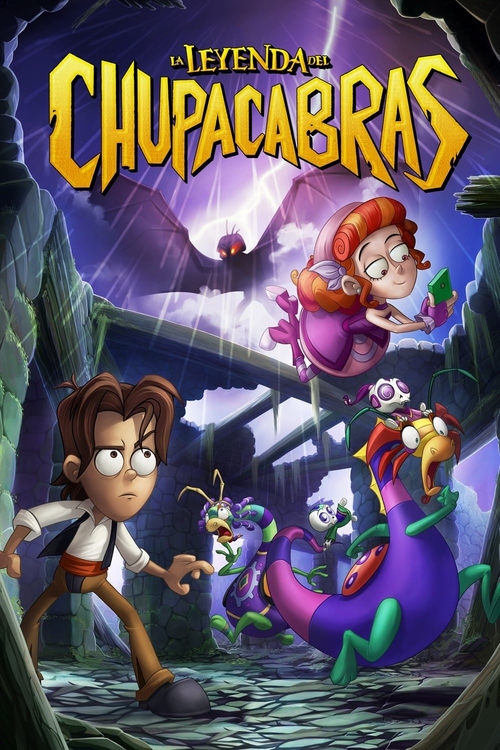
The Legend of the Chupacabras
2016
No user ratings available yet
Representation score: 6.1 out of 10
Representation Score
Fair
2015
Director
Petter Baiestorf, José Mojica Marins, Rodrigo Aragão, Joel Caetano
Runtime
93 minutes
Average Rating
No ratings yetNew Showbiz Analysis
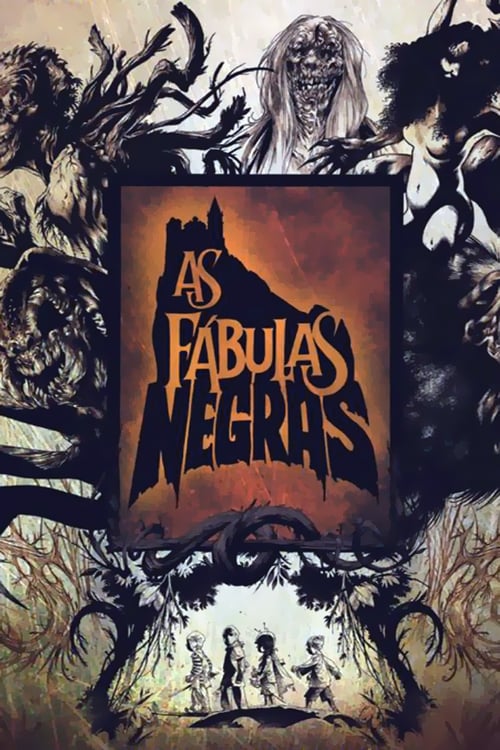
Dark Fables stands out by embedding its horror-fantasy in the rich, localized context of Brazilian folklore. By focusing on figures like the Saci, the film successfully challenges the dominance of Western mythologies and highlights regional identity. Despite its strong cultural representation, the film does not explicitly address LGBTQ+ identities or disability issues. It remains silent on these specific identity demographics. While the film excels in cultural specificity, it lacks broader social inclusivity.
Category Breakdown
The film does not include explicit representations of LGBTQ+ identities or relationships that go beyond the assumption that everyone is straight. The story focuses on children interacting with folklore rather than exploring romantic subtexts.
The film features an ensemble of child protagonists that seems to move away from adult-centric patriarchal structures. However, the specific roles and influence of gender among the children remain unclear.
By highlighting Brazilian folklore, such as the figure of the Saci, the film actively counters the dominance of Anglo-Saxon mythologies in the horror genre. This choice emphasizes a culturally specific perspective.
The story prioritizes local, non-Western mythologies over Judeo-Christian traditions, offering a unique cultural alternative to mainstream Western cinematic conventions.
There is no indication of the portrayal of physical or neurodivergent disabilities in the available narrative details.
Present on Screen
Limited or Absent
Official Synopsis
A group of kids embarks in a macabre adventure, full of characters from the Brazilian popular imaginary - the werewolf, a witch, a ghost, monsters and The Saci.
2016
2017
2020
2007
2005

2009
2016
2010
No reviews yet. Be the first to share your thoughts on this movie!
Use the rating form above to leave a star rating and optional review.