
Getting There
2002
No user ratings available yet
Representation score: 2.8 out of 10
Representation Score
Limited
2005
PGDirector
Brian Levant
Runtime
95 minutes
Average Rating
No ratings yetNew Showbiz Analysis
The film is a traditional slapstick comedy that prioritizes genre expectations over social critique. While featuring a Black male lead in a romantic role enhances racial representation, the narrative lacks depth regarding multi-layered identities. Character dynamics rely heavily on established clichés, using them primarily for physical humor rather than meaningful development. Ultimately, the film operates within a conventional cultural paradigm, focusing on domestic comedy without exploring systemic or institutional issues.
Category Breakdown
The film follows a standard framework that assumes everyone is straight or cisgender. It does not include LGBTQ+ characters or explore non-straight relationships.
Suzanne's character slightly challenges traditional gender roles as a divorced mother navigating single parenthood. However, the film uses the 'bumbling male' cliché for slapstick humor.
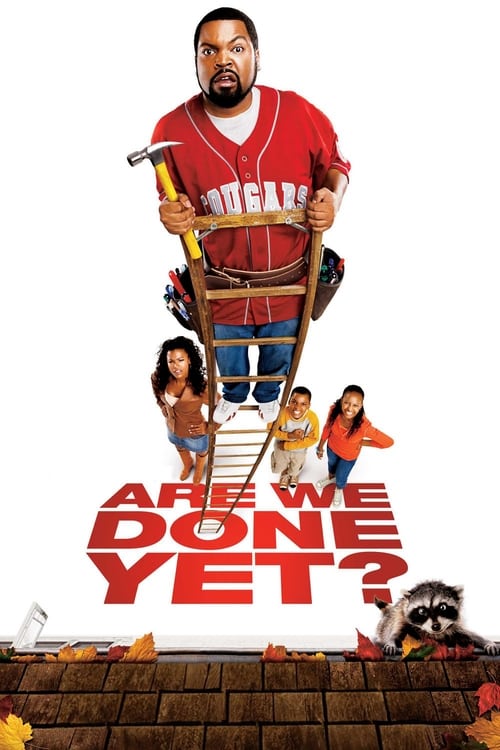
Ice Cube plays a central role as a Black male lead who play a significant role in driving the story. The story focuses on his integration into a white family without delving deeply into racial issues.
The setting is typical suburban America, following conventional Western comedic structures without significant cultural critique.
There are no visible or invisible disabilities represented among the main cast or central character arcs.
Present on Screen
Limited or Absent
Official Synopsis
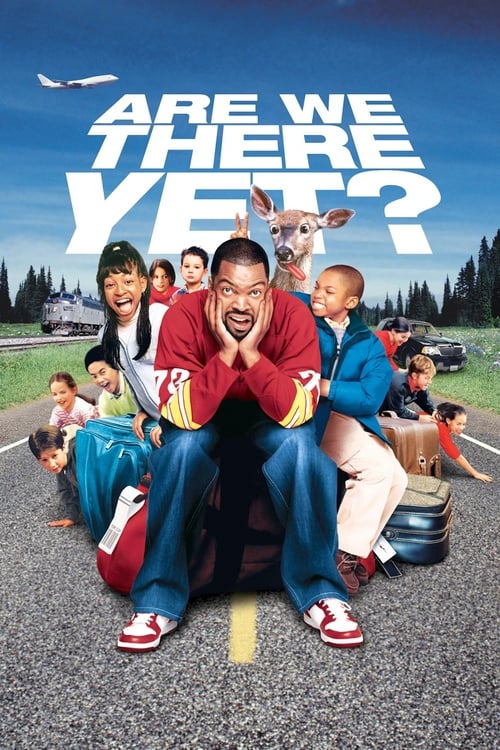
The fledgling romance between Nick, a playboy bachelor, and Suzanne, a divorced mother of two, is threatened by a particularly harrowing New Years Eve. When Suzanne's work keeps her in Vancouver for the holiday, Nick offers to bring her kids to the city from Portland, Oregon. The kids, who have never liked any of the men their mom dates, are determined to turn the trip into a nightmare for Nick.
2002
2006
1995
2011
2000

1993
2004
2007
No reviews yet. Be the first to share your thoughts on this movie!
Use the rating form above to leave a star rating and optional review.