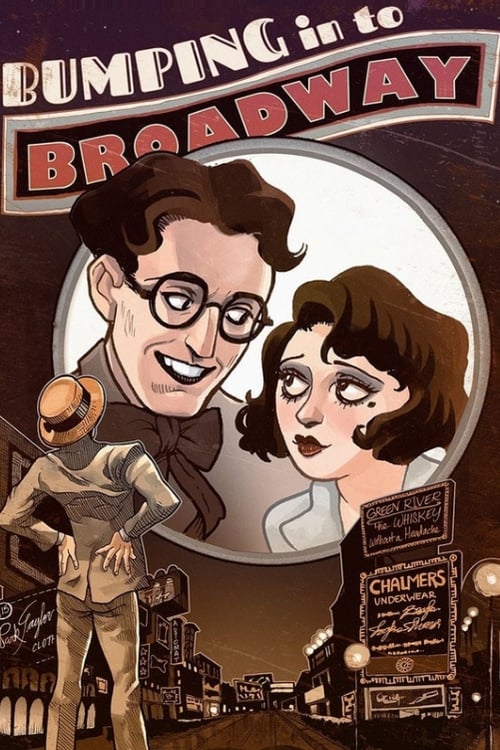
Bumping Into Broadway
1919
No user ratings available yet
Diversity score: 3.3 out of 10
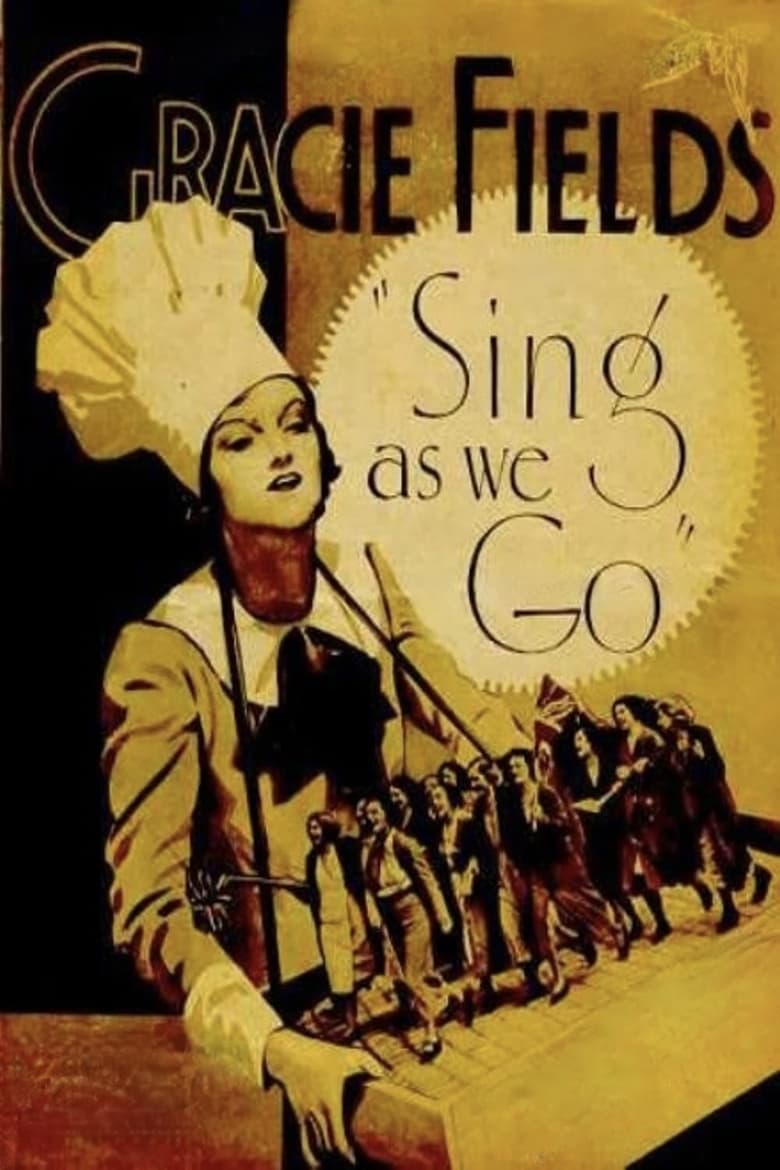
1934
Director
Basil Dean
Runtime
80 minutes
Average Rating
No ratings yetSynopsis
When the textile mill closes, putting her out of work, Gracie finds herself experiencing all of the amusements of Blackpool.
Overall Score
Limited
Category Breakdown
LGBTQ+ Representation
The film contains no discernible evidence of non-heteronormative identities. The narrative adheres strictly to the conventional social structures of the 1930s.
Gender Representation
The story centers on female resilience and agency during economic instability. While it elevates the female experience, the depiction remains tethered to the era's socioeconomic constraints.
Racial & Ethnic Diversity
The production reflects the demographic homogeneity of early 1930s British cinema. The cast is primarily white and working-class, lacking any evidence of racial blending.
Religious & Cultural Diversity
The film critiques economic structures by portraying working-class hardships. It prioritizes the lived experience of the marginalized over the stability of traditional institutions.
Disability Representation
There is no evidence of characters with visible or invisible disabilities. No such characters appear to serve as narrative devices.
Strengths
Areas for Improvement
AI Analysis
Sing As We Go functions as a social realist comedy that explores class tensions through a localized lens. Its primary progressive value lies in its gendered agency, placing a woman at the center of an economic crisis rather than a passive domestic role. However, the film is a product of its historical moment, characterized by a lack of racial diversity and an absence of LGBTQ+ narratives. It follows the traditionalist casting and storytelling norms prevalent in 1934. The film's strength is its subversion of idealized social stability, highlighting the friction between individual resilience and systemic economic failure.
1919

1942
1936
1938
1952
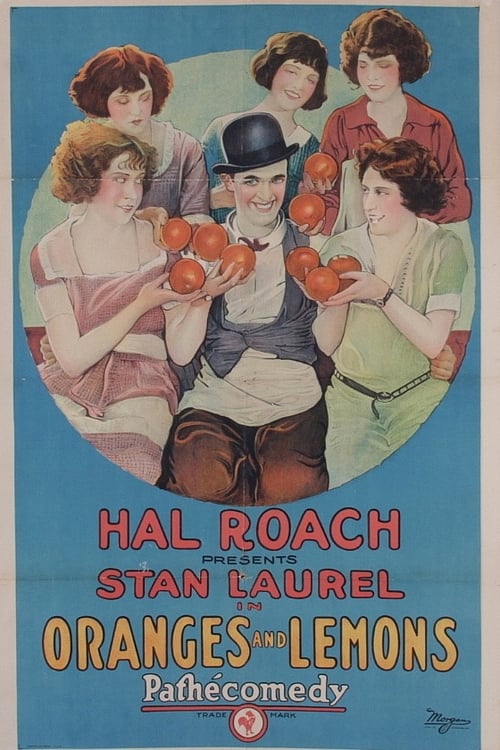
1923
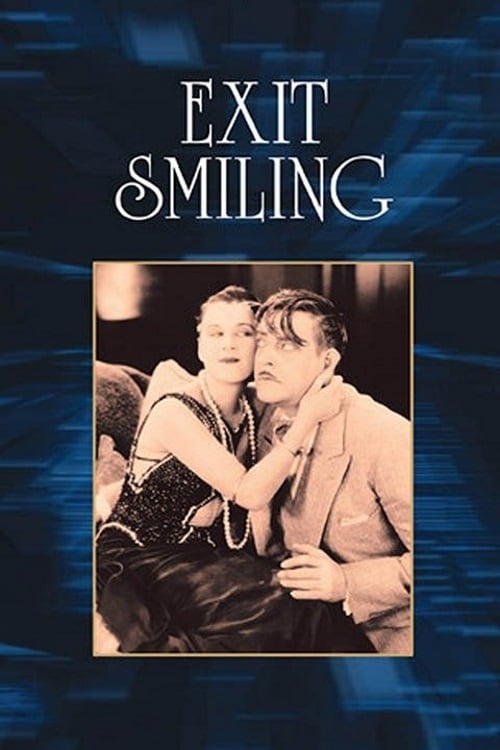
1926

1930

1936
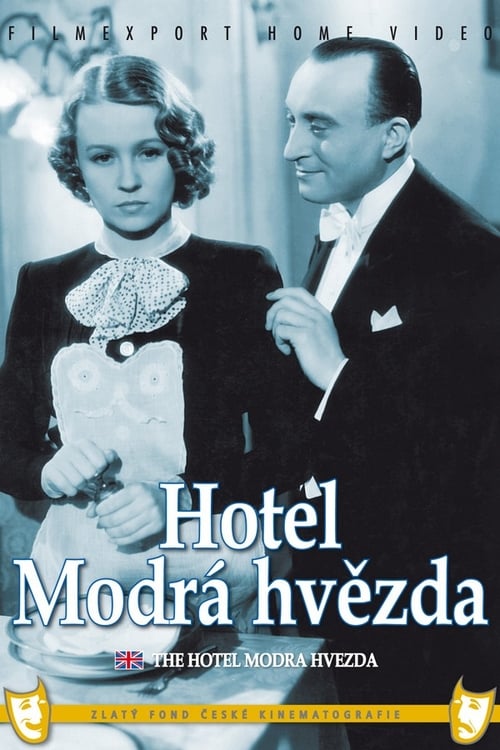
1941
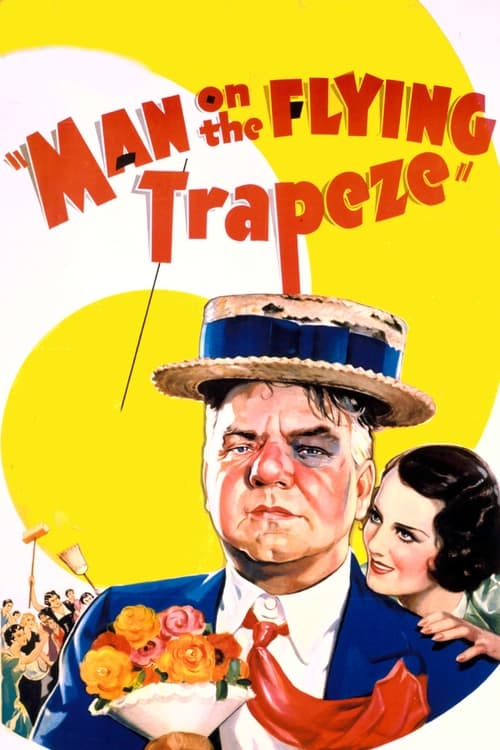
1935

1938
No reviews yet. Be the first to share your thoughts on this movie!
Use the rating form above to leave a star rating and optional review.