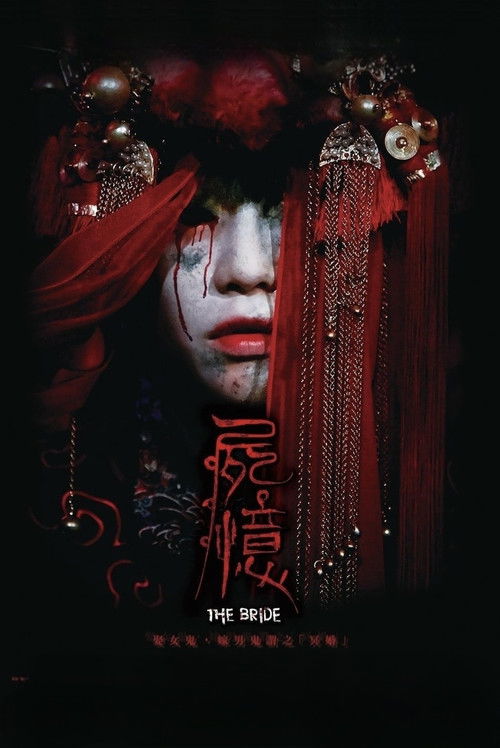
The Bride
2015
No user ratings available yet
Representation score: 2.8 out of 10

Representation Score
Minimal
2005
Not RatedDirector
Kim Yong-gyun
Runtime
108 minutes
Average Rating
No ratings yetNew Showbiz Analysis
The film operates primarily as a genre-driven thriller, employing the 'cursed object' cliché to explore psychological tension. It prioritizes atmospheric horror and individual moral failings over systemic critiques or identity-based issues. While the film offers a non-Western perspective through its South Korean origin, it lacks specific indicators of progressive representation. The narrative structure adheres to traditional horror motifs rather than challenging established social hierarchies. Ultimately, the film functions within established genre conventions, focusing on universal themes of desire and greed rather than characters who reflect more than one aspect of diversity.
Category Breakdown
The film does not include any characters with non-traditional gender identities. The plot revolves around jealousy and greed, focusing on typical interpersonal conflicts.
A female character leads the story, offering a baseline for female-driven narratives. However, the emphasis on emotional clichés may reinforce traditional feminine stereotypes.
As a South Korean production, the film provides a non-Western viewpoint. However, the cast might seem homogeneous within its domestic context.
The story delves into themes of greed and death using a genre lens. It does not appear to critique specific institutions or promote broader systemic issues.
There is no indication that the film includes characters with visible or invisible disabilities. Disability is not used as a narrative device.
Present on Screen
Limited or Absent
Official Synopsis
A woman who finds a pair of pink high heels on a subway platform soon realizes that jealousy, greed, and death follow them wherever they go.
2015
2000
2017
2007
2003

2007
1988
2007
No reviews yet. Be the first to share your thoughts on this movie!
Use the rating form above to leave a star rating and optional review.