
Yucatán
2018
No user ratings available yet
Diversity score: 3.1 out of 10

2002
Director
Daniel Monzón
Runtime
105 minutes
Average Rating
No ratings yetSynopsis
Lucas Santos, named El Santo is petty thief going continuously in and out of jail. Tired of small thefts, he aims to strike a blow that makes him famous and become the star of all media. His wife Lucia, a comprehensive and sweet woman, while awaiting the return of her husband, works as a stripper at a nightclub. Finally, Lucas gathers a band of petty thieves and decides to steal, from the National Museum of Art Reina Sofía, its most valuable painting: Picasso's Guernica.
Overall Score
Limited
Category Breakdown
LGBTQ+ Representation
The film lacks LGBTQ+ characters or non-cisnormative identities. The central romantic dynamic is framed through a traditional heterosexual marriage.
Gender Representation
The plot follows a traditional gender dichotomy. While the female lead's work as a stripper adds economic complexity, she remains a supportive figure to the male protagonist.
Racial & Ethnic Diversity
The setting reflects a standard Mediterranean demographic baseline. The film focuses on local social strata within a Spanish cultural context.
Religious & Cultural Diversity
The heist serves as a critique of celebrity culture and national institutions. It explores individual ambition rather than promoting specific secularist or anti-capitalist ideologies.
Disability Representation
There are no visible or invisible disabilities portrayed. No characters are identified as having physical impairments or neurodivergent traits.
Strengths
Areas for Improvement
AI Analysis
The film operates as a conventional heist comedy, relying on established genre tropes rather than intersectional storytelling. It focuses on the personal ambitions of a petty thief seeking fame through a high-stakes crime. While the narrative touches on economic necessity through the female lead's occupation, it does not challenge systemic gender hierarchies. The social framework remains centered on traditional character archetypes common to early 2000s European cinema.
2018
1975
1962

1986
2003

2002
1970
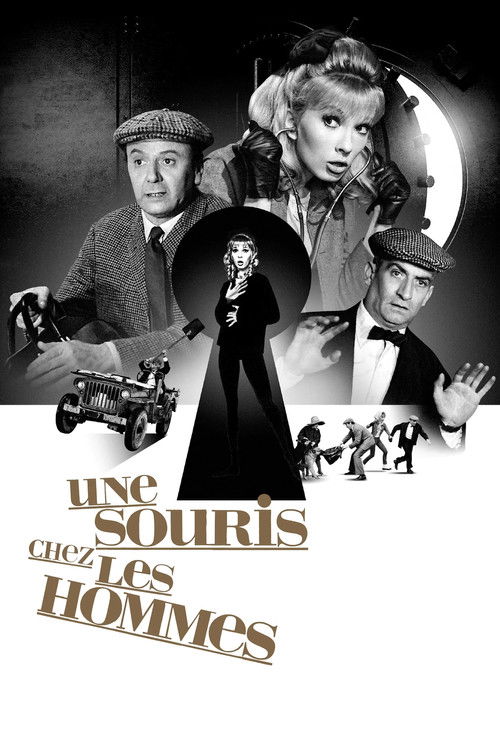
1964
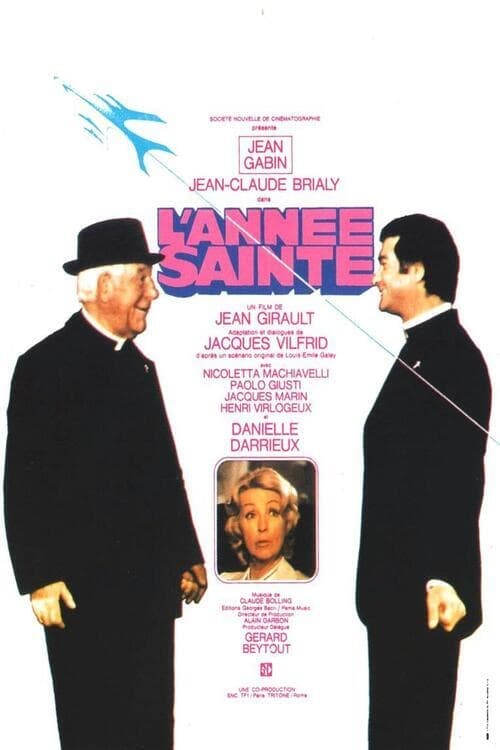
1976
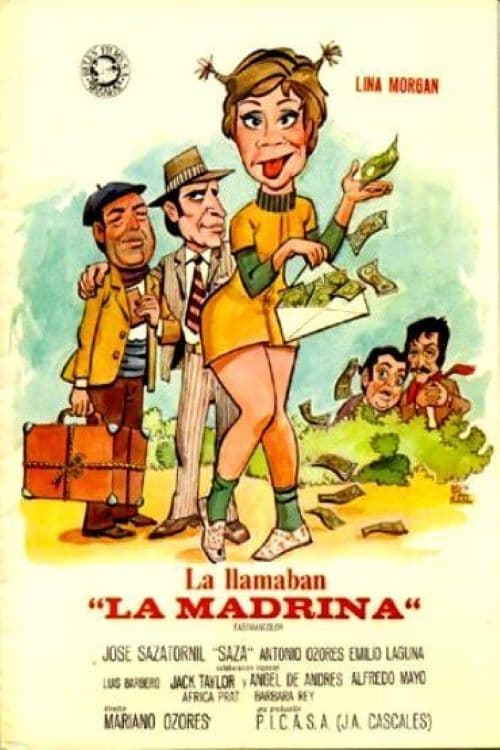
1973

2008
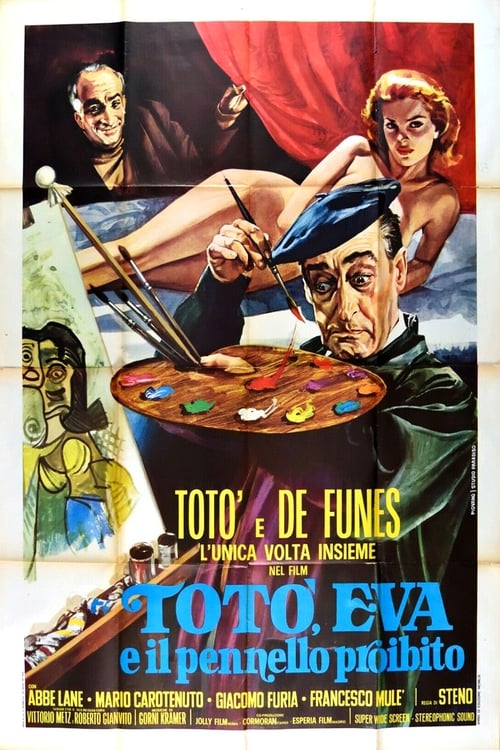
1959
No reviews yet. Be the first to share your thoughts on this movie!
Use the rating form above to leave a star rating and optional review.