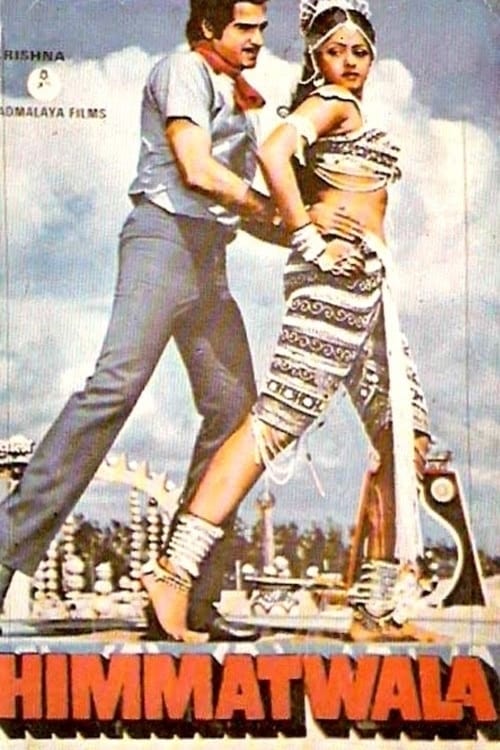
Himmatwala
1983
No user ratings available yet
Representation score: 4.3 out of 10
Representation Score
Limited
1983
Director
Manmohan Desai, Prayag Raj
Runtime
169 minutes
Average Rating
No ratings yetNew Showbiz Analysis
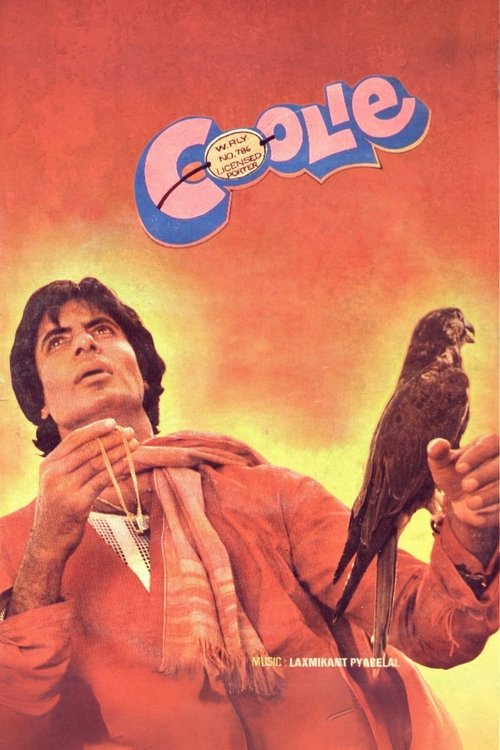
Coolie is a prime example of traditional commercial melodrama. It excels in its authentic ethnic focus and its populist critique of class-based oppression within the Mumbai working class. However, the film remains rooted in the conservative social structures of its time. It does not aim to break down traditional institutions like the family or religious morality, instead using them to evoke emotional responses. The narrative centers on male-driven plots and traditional gender roles, which limits its exploration of gender ability to act and LGBTQ+ representation.
Category Breakdown
The film follows the traditional heterosexual norms of 1980s Indian cinema. There are no visible representations of non-binary gender identities or same-sex relationships.
The story focuses heavily on male characters, emphasizing the protagonist's journey and brotherly bonds. Female characters mostly play traditional roles, often serving as emotional support or figures in need of protection.
The film features a predominantly South Asian cast, highlighting the experiences of the local working class. It offers a localized portrayal of Indian identity through the coolie class.
The film showcases the tension between the laboring class and exploitative upper-class figures. It emphasizes traditional values such as maternal reverence and family sanctity.
There are no prominent depictions of physical or neurodivergent disabilities used as central character arcs or plot devices.
Present on Screen
Limited or Absent
Official Synopsis
When Iqbal gets separated from his mother and brother by a flood, he becomes a coolie at Mumbai railway station. He then fights for the coolies rights and faces challenges from a businessman.
1983

1958
1980
1992

2011

2013

2013
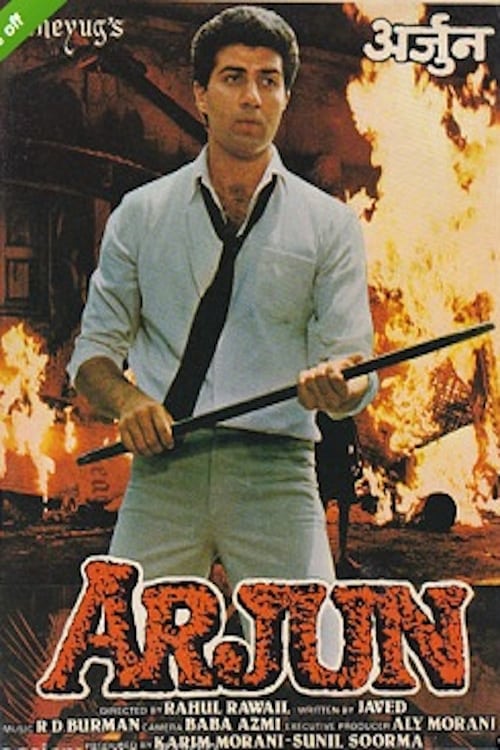
1985
No reviews yet. Be the first to share your thoughts on this movie!
Use the rating form above to leave a star rating and optional review.