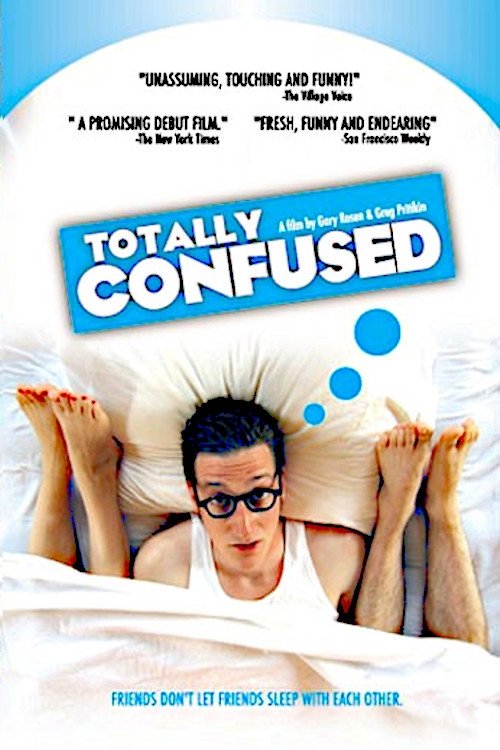
Totally Confused
1998
No user ratings available yet
Diversity score: 4.1 out of 10

1999
Director
Gregory Cooke
Runtime
20 minutes
Average Rating
No ratings yetSynopsis
A father buys his closeted son a night with a prostitute.
Overall Score
Fair
Category Breakdown
LGBTQ+ Representation
The film centers on the internal reality of a closeted individual. While it explores themes of identity and concealment, the narrative is framed through parental intervention rather than an autonomous queer journey.
Gender Representation
The story focuses heavily on patriarchal dynamics and the relationship between a father and son. It lacks evidence of subverting traditional gender hierarchies, focusing instead on male-driven problem-solving.
Racial & Ethnic Diversity
There is insufficient information available to determine the racial composition of the cast or the presence of diverse ethnic narratives.
Religious & Cultural Diversity
The film critiques idealized family structures by presenting a domestic conflict rooted in secrecy. It uses a transactional encounter to explore moral ambiguity and unconventional guidance.
Disability Representation
There is no documented evidence regarding the inclusion of characters with physical or neurodivergent disabilities.
Strengths
Areas for Improvement
AI Analysis
The film offers a niche exploration of identity by centering on LGBTQ+ themes and the tension of living in the closet. It successfully disrupts traditional depictions of the parent-child relationship through its focus on social and moral complexity. However, the narrative remains tethered to patriarchal structures. The plot revolves around a father attempting to manage his son's identity through unconventional, transactional means, which may limit the protagonist's agency. Ultimately, the work functions as a character-driven drama that engages with sensitive social dynamics, even if it does not fully subvert traditional domestic hierarchies.
1998

2010

2017

1993

2018

2023
2002

1979
2019

2012

1997

2002
No reviews yet. Be the first to share your thoughts on this movie!
Use the rating form above to leave a star rating and optional review.