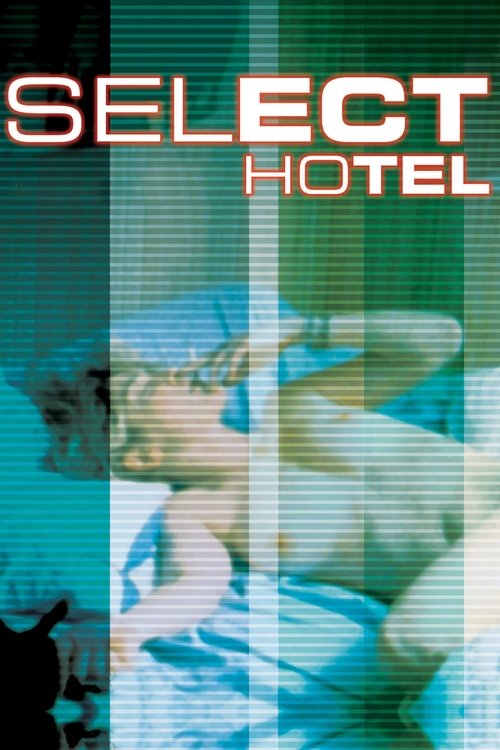
Select Hotel
1997
No user ratings available yet
Representation score: 7.7 out of 10

Representation Score
Excellent
2000
Director
Nicolas Klotz
Runtime
125 minutes
Average Rating
No ratings yetNew Showbiz Analysis
Paria serves as a profound social critique that deconstructs the modern social contract. By focusing on the 'invisible' populations of Europe, the film moves away from celebratory storytelling to highlight systemic failures. The narrative finds its strength in the margins, using characters like Momo and Victor to challenge mainstream social visibility. It prioritizes the lived experience of the outsider over institutional or religious ideals. While the film excels at portraying socioeconomic precariousness, it remains neutral on specific identity markers like sexual orientation or explicit physical disabilities, focusing instead on the broader state of being a societal pariah.
Category Breakdown
The film focuses on socioeconomic issues rather than sexual orientation. There are no explicit LGBTQ+ character arcs or non-straight identities.
The narrative emphasizes existential survival over traditional gender roles. The struggle for stability highlights the fragility of social roles under poverty.
The film prioritizes the underrepresented over middle-class norms. Its commitment to depicting those on the fringes suggests a departure from homogeneous casting.
The film critiques Western institutions by centering characters outside the capitalist framework. It contrasts mainstream optimism with systemic neglect through the lens of the outsider.
The story explores social exclusion through the lens of systemic exclusion. Characters navigate a world not built for them, finding ability to act through survival despite their status as outcasts.
Present on Screen
Limited or Absent
Official Synopsis
First part of a "trilogy of modern times" (the second one is La Blessure, and third - La question humaine). Paria follows the path of two characters, Momo and Victor. Momo –remarkably played by Gérald Thomassin– lives in the streets, while Victor, on the edge of poverty, loses his apartment when he loses his job. Their destinies will come across during the night of the “millennium” which will be celebrated in a social pick-up bus.
1997

2018

2015

1995

2001

2014
2001
1998
No reviews yet. Be the first to share your thoughts on this movie!
Use the rating form above to leave a star rating and optional review.