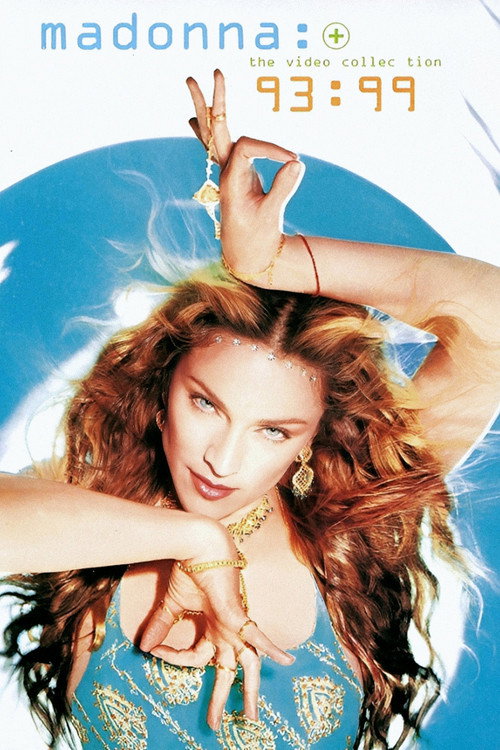
Madonna: The Video Collection 93:99
1999
No user ratings available yet
Diversity score: 7.4 out of 10
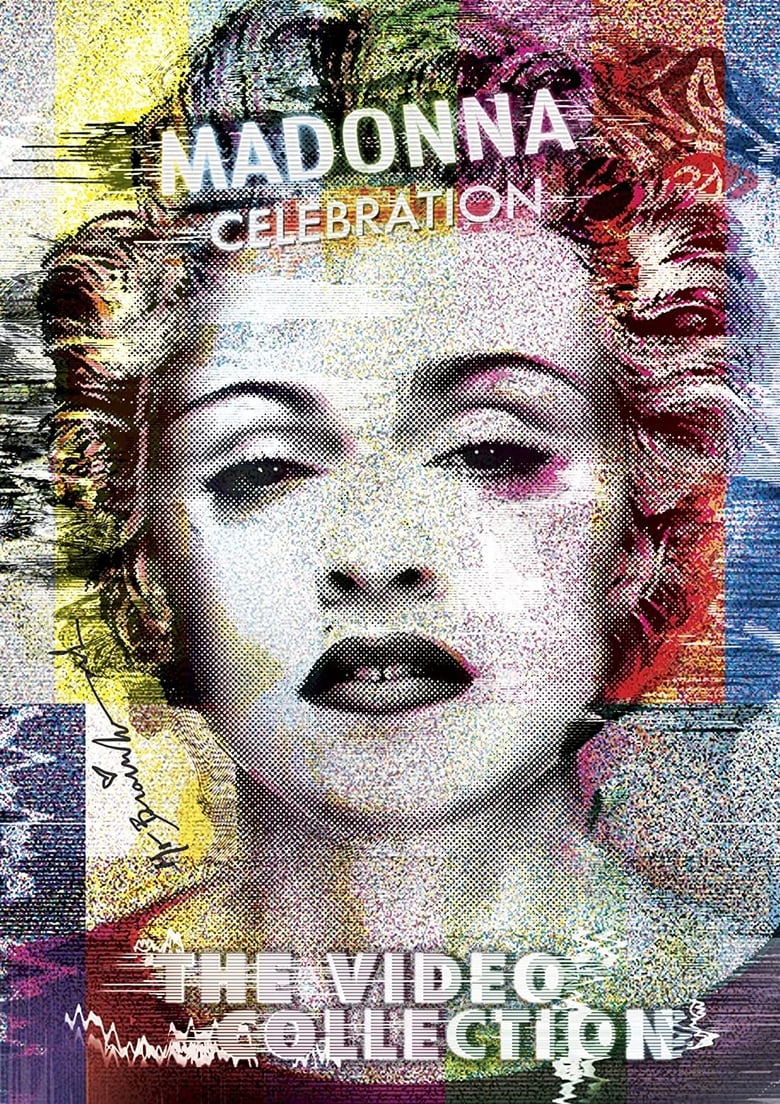
2009
Director
Fabien Baron, Steve Barron, Harold Becker, Luc Besson, Chris Cunningham, Jonas Euvremer, David Fincher, James Foley, Michael Haussman, Alek Keshishian, Jamie King, Mary Lambert, Mats Lindberg, Pontus Löwenhielm, Melodie McDaniel, Jean-Baptiste Mondino, Tom Munro, Arthur Pierson, Brett Ratner, Johan Renck, Eugene Riecansky, Nathan Rissman, Guy Ritchie, Herb Ritts, Matthew Rolston, Mark Romanek, Peter Rosenthal, François Rousselet, Ole Sanders, Earle Sebastian, Susan Seidelman, Philipp Stölzl, Traktor, Egbert van Hees, Bobby Woods, Jonas Åkerlund
Runtime
211 minutes
Average Rating
No ratings yetSynopsis
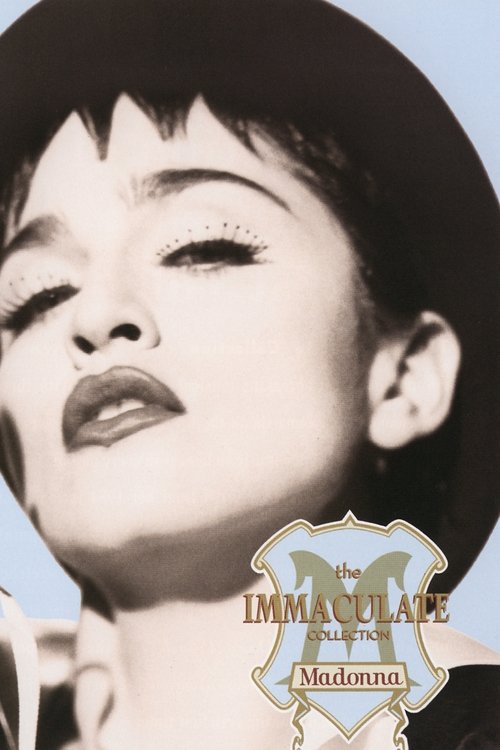
Celebration: The Video Collection is a greatest videos DVD compilation by American singer-songwriter Madonna. Released by Warner Bros. Records on September 29, 2009, the release accompanied the greatest hits Celebration. The collection follows on from her other greatest videos compilations The Immaculate Collection (1990) and The Video Collection 93:99 (1999).
Overall Score
Excellent
Category Breakdown
LGBTQ+ Representation
The collection serves as a seminal text for mainstreaming queer aesthetics. It centers non-cisnormative identities and celebrates LGBTQ+ subcultures, specifically highlighting Black and Latino ballroom culture.
Gender Representation
The anthology consistently subverts traditional gender hierarchies. It portrays femininity through lenses of strength and complexity, reclaiming bodily autonomy to challenge the conventional male gaze.
Racial & Ethnic Diversity
The work features inclusive casting that challenges Anglo-centric norms. It highlights the intersection of race and subculture, creating an intentional multiculturalism within its stylized urban settings.
Religious & Cultural Diversity
The collection engages with religious iconography through a postmodern lens. It frames sacred symbols as tools for personal spirituality or systemic critique rather than strict dogma.
Disability Representation
There is limited evidence of dedicated narratives centered on disability. While some avant-garde direction explores bodily alterity, these themes often lean toward the surreal rather than agency-driven depictions.
Strengths
Areas for Improvement
AI Analysis
This compilation acts as a longitudinal study of visual identity and social disruption. It succeeds by centering queer intimacy and reclaiming female agency, moving beyond mere visibility to establish these identities as central to the human experience. The collection's strength lies in its intersectional approach, particularly where queer identity meets racial diversity. By utilizing diverse casting and subverting Western institutions, the work functions as a progressive archive of cultural rebellion. However, the representation of disability remains a weak point. While the aesthetic often touches on the uncanny or the surreal, it lacks meaningful, agency-driven narratives regarding disability.
1999
1990
1993
1995

2004

2013
2014
2004
2001
1997
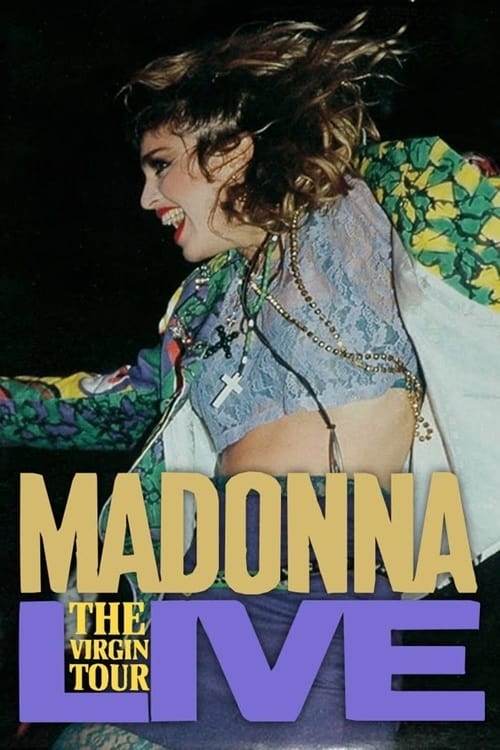
1985
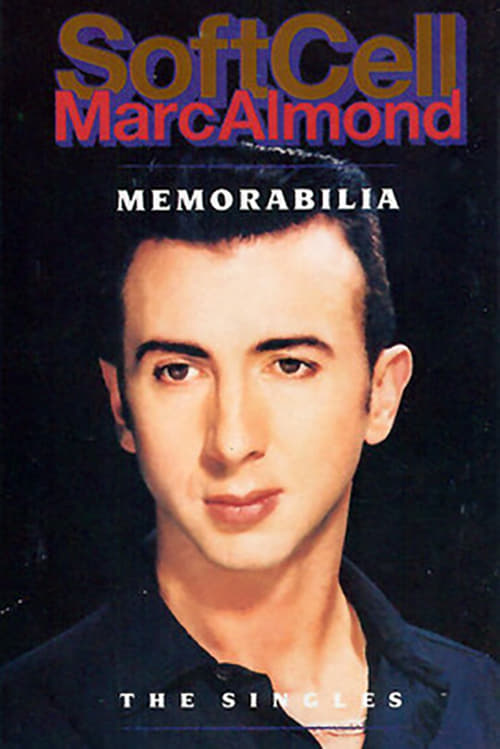
1991
No reviews yet. Be the first to share your thoughts on this movie!
Use the rating form above to leave a star rating and optional review.