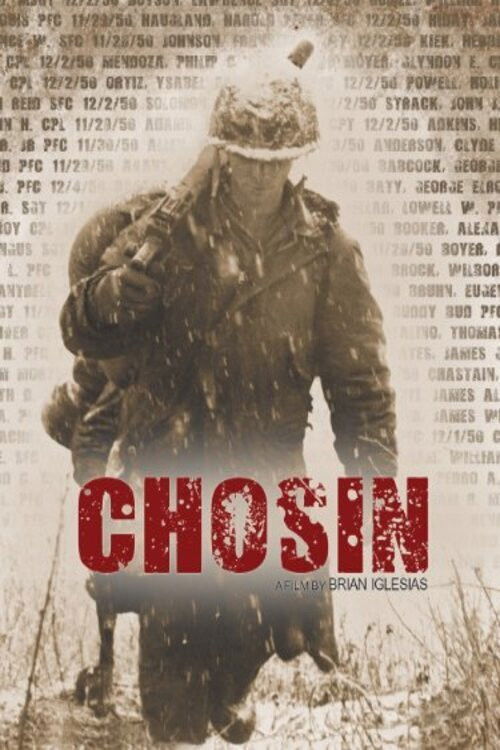
Chosin
2010
No user ratings available yet
Diversity score: 3.5 out of 10

2017
TV-PGDirector
Tim Dunn
Runtime
180 minutes
Average Rating
No ratings yetSynopsis
Drama-Documentary in which historian Dan Snow explores the political intrigues and family betrayals between Vikings, Anglo-Saxons and Normans that led to the Battle of Hastings.
Overall Score
Fair
Category Breakdown
LGBTQ+ Representation
The film focuses on 11th-century geopolitical and dynastic struggles. There is no visible evidence of LGBTQ+ characters or narratives addressing non-cisnormative identities.
Gender Representation
The narrative centers on patriarchal power structures and male-dominated combat. While female figures may influence dynastic politics, primary agency remains with male monarchs and warriors.
Racial & Ethnic Diversity
The documentary examines the collision of Vikings, Anglo-Saxons, and Normans. It addresses ethnic tension and cultural blending within the historical realities of these European groups.
Religious & Cultural Diversity
The study focuses on systemic instability and the breakdown of established orders. It remains rooted in traditional Western historical development rather than modern institutional critiques.
Disability Representation
There is no documented evidence regarding the portrayal of physical or neurodivergent disabilities in this production.
Strengths
Areas for Improvement
AI Analysis
1066: A Year to Conquer England functions as a traditional historical documentary, prioritizing chronological exploration over modern social commentary. The narrative architecture adheres to established medieval power dynamics, focusing on the conflict between specific European ethnic groups. While the film provides a multifaceted view of the Vikings, Anglo-Saxons, and Normans, it lacks the intentionality to disrupt conventional social hierarchies. The representation is bound by the historical period, resulting in a lack of intersectional complexity. Ultimately, the production serves a pedagogical purpose. It explores the political intrigues of the 11th century without introducing modern identity-based narratives or subverting traditional patriarchal structures.
No reviews yet. Be the first to share your thoughts on this movie!
Use the rating form above to leave a star rating and optional review.