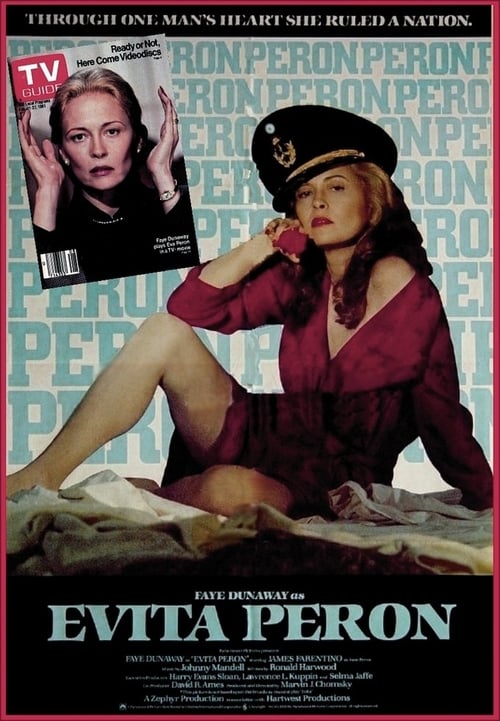
Evita Peron
1981
No user ratings available yet
Diversity score: 6.5 out of 10

2011
Director
Laura Mañá
Runtime
90 minutes
Average Rating
No ratings yetSynopsis
Spain, 1931. Under the Second Republic, women are eligible, but cannot vote. Victoria Kent and Clara Campoamor, the first women in the Spanish Parliament, intend to fight for women's rights, and Clara knows that the first step is to get the women's vote approved…
Overall Score
Good
Category Breakdown
LGBTQ+ Representation
The film focuses strictly on the parliamentary struggle for women's suffrage. There are no visible LGBTQ+ characters or narratives exploring non-heteronormative identities within this historical framework.
Gender Representation
The narrative centers on the political agency of Clara Campoamor and Victoria Kent. It portrays women as architects of law rather than passive subjects, subverting traditional gender hierarchies.
Racial & Ethnic Diversity
The casting reflects the Mediterranean demographic realities of 1931 Spain. While it reclaims marginalized historical voices, it lacks significant racial blending or diverse ethnic representation.
Religious & Cultural Diversity
The story highlights the friction between secular democratic movements and the Catholic Church. It frames the fight for civil liberties as a battle against entrenched religious dogma.
Disability Representation
There are no prominent depictions of physical or neurodivergent disabilities. No such traits serve as central plot points or character arcs in this biographical drama.
Strengths
Areas for Improvement
AI Analysis
The film serves as a powerful piece of feminist historiography, successfully centering female intellect within a male-dominated political landscape. By focusing on the legislative battle for the vote, it avoids common tropes that relegate historical women to domestic roles. However, the narrative is constrained by its specific historical setting and focus. The absence of LGBTQ+ representation and limited racial diversity reflects the era's demographics but narrows the film's broader social scope. Ultimately, the work excels at deconstructing gendered power dynamics and exploring the tension between secular progress and traditional religious authority.
1981
2016
2010

2023
No reviews yet. Be the first to share your thoughts on this movie!
Use the rating form above to leave a star rating and optional review.