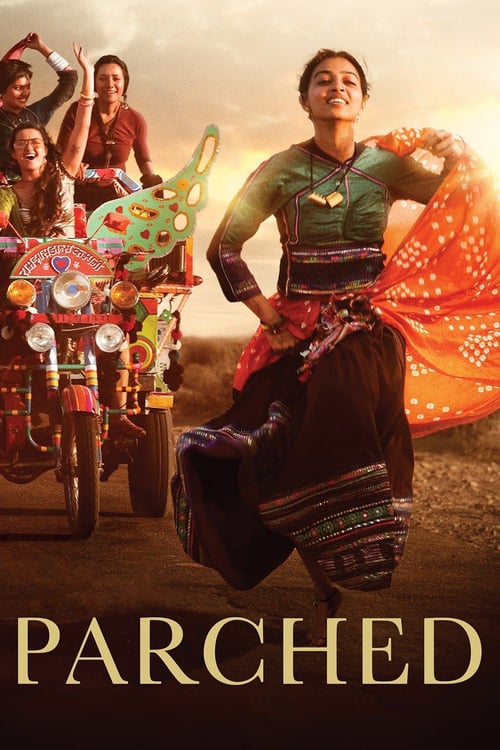
Parched
2015
No user ratings available yet
Representation score: 6.7 out of 10
Representation Score
Fair
2019
Director
Abhishek Shah
Runtime
121 minutes
Average Rating
No ratings yetNew Showbiz Analysis
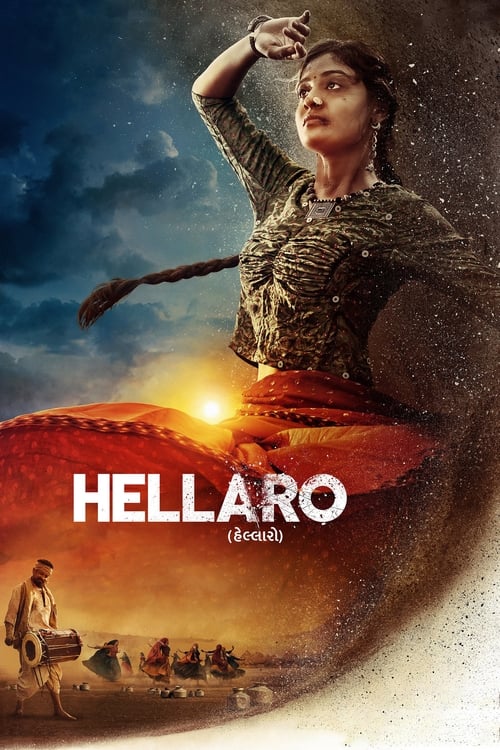
The film opens on a sun-scorched Kutch village where the drought is as dry as the social contract. Hellaro sells a vision of rural liberation, but its argument is that the village itself is the cage. The camera lingers on Manjhri’s face as she defies the communal expectation of marriage, treating her autonomy as the only viable path forward. The men, led by the village head, are framed not as villains but as inept enforcers of a system that no longer works. Their attempts to "fix" her through marriage are played for awkward comedy, their harm reduced to a minor inconvenience. The ending is the moral verdict: Manjhri stands alone, having rejected the communal script. She is not rescued by a man, nor does she pay the traditional price of exile or death. The film’s last image is a solitary figure asserting her right to exist outside the patriarchal order. This is a clear inversion of the traditional rural narrative, where a woman’s value is tied to her marital status. The film’s internal logic is consistent: the village’s authority is hollow, and the individual’s choice is the new norm. The drought is a metaphor for the spiritual and social aridity of the old ways. The film does not shy away from the harshness of the setting, but it frames that harshness as a product of human-made hierarchies, not natural law. The sold meaning is clear: autonomy is the only true wealth. The contradictions are minimal; the film does not try to have it both ways. It is a straightforward, if somewhat idealized, portrait of a woman breaking free from a suffocating community. The camera loves her defiance, and the audience is meant to feel the weight of her liberation. The film’s strength lies in its specific, grounded depiction of rural life, and its willingness to challenge the very structures that define that life. It is a film that trusts its audience to understand the stakes, and it rewards that trust with a clear, uncompromising moral stance.
Category Breakdown
No queer characters or same-sex intimacy appear. The social hierarchy is strictly heteronormative, with marriage and widowhood defining female status.
Manjhri serves as the moral center, refusing marriage as a trap. Male authority figures are framed as inept or oppressive, treating female autonomy as the victory.
The cast is entirely South Asian, reflecting the rural Gujarati setting. No racial dynamics are depicted; the focus remains on internal class and gender hierarchies.
Traditional patriarchal structures and religious rituals are depicted as empty or oppressive obstacles. The film positions secular autonomy and individual choice over communal tradition.
No disabled characters or impairment-based narratives are present. The physical hardships of the drought are environmental, not related to disability or medical conditions.
Present on Screen
Limited or Absent
Official Synopsis
A group of suppressed women from a village in Gujarat find someone in the desert and their lives are changed forever.
2015
2016

2018
2021

2020
2005
2005
2018
No reviews yet. Be the first to share your thoughts on this movie!
Use the rating form above to leave a star rating and optional review.