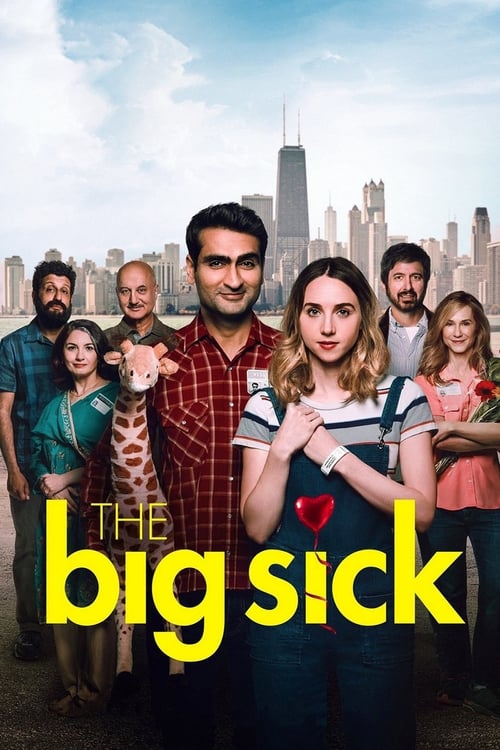
The Big Sick
2017
No user ratings available yet
Representation score: 7.7 out of 10

Representation Score
Fair
2014
PGDirector
Ravi Patel, Geeta Patel
Runtime
88 minutes
Average Rating
No ratings yetNew Showbiz Analysis
Meet the Patels is a significant piece of media that prioritizes the authentic experiences of the Indian-American community. By focusing on the specificities of the Patel diaspora, the film successfully challenges monolithic portrayals of Asian Americans in mainstream Western cinema. While the film is culturally rich and avoids an Anglo-centric viewpoint, it remains tied to traditional romantic and heterosexual structures. This limits its impact regarding LGBTQ+ representation and broader social critiques. Ultimately, the film's strength lies in its ability to explore identity through a post-colonial lens, examining how immigrant communities maintain cultural integrity while navigating a modern Western landscape.
Category Breakdown
The film adheres to traditional romantic and heterosexual structures, excluding LGBTQ+ characters and critiques of conventional relationships.
The narrative explores the tension between traditional gender roles and personal ability to act. It shows how protagonists navigate personal desires against the influence of traditional family structures.
The film excels by focusing on the South Asian diaspora. It avoids stereotypes, offering an authentic, community-centric perspective that goes beyond including someone from a minority group without giving them real depth.
The documentary looks at the blend of Western individualism and Eastern collective traditions. It shows how families provide both support and systemic pressure.
There are no prominent depictions of physical or neurodivergent disabilities serving as central plot drivers or character arcs.
Present on Screen
Limited or Absent
Official Synopsis
Finding love is never easy. For Ravi Patel, a first generation Indian-American, the odds are slim. His ideal bride is beautiful, smart, funny, family-oriented, kind and—in keeping with tradition—Indian (though hopefully raised in the US). Oh, and her last name should be Patel because in India, Patels usually marry other Patels. And so at 30, Ravi decides to break up with his American girlfriend (the one who by all accounts is perfect for him except for her red hair and American name) and embark on a worldwide search for another Patel longing to be loved. He enlists the help of his matchmaker mother, attends a convention of Patels living in the US and travels to wedding season in India. Witty, honest and heartfelt, this comedy explores the questions with which we all struggle: What is love? What is happiness? And how in the world do we go about finding them?
2017

2011

2022
2009

2012

2008
2014

1993
No reviews yet. Be the first to share your thoughts on this movie!
Use the rating form above to leave a star rating and optional review.