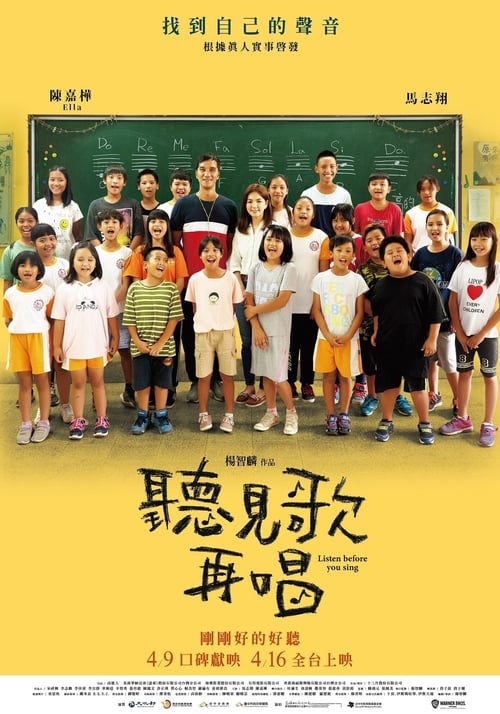
Listen Before You Sing
2021
No user ratings available yet
Representation score: 7.7 out of 10
Representation Score
Excellent
2015
Director
Indika Ferdinando
Runtime
120 minutes
Average Rating
No ratings yetNew Showbiz Analysis
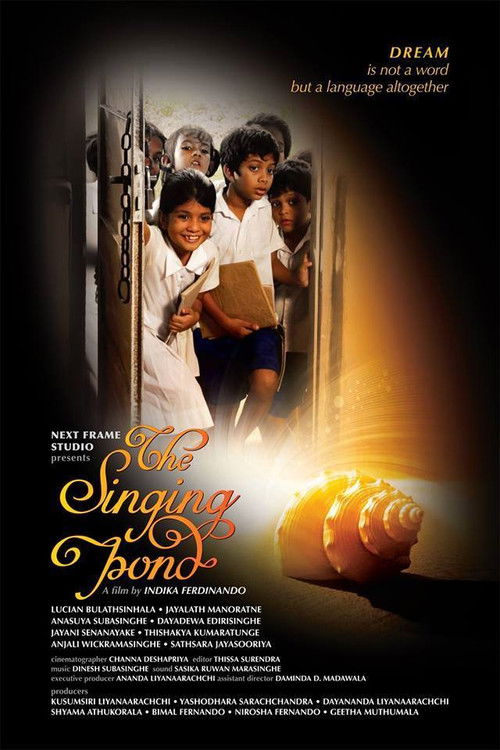
The Singing Pond succeeds in challenging typical portrayals of underrepresented characters by giving them significant influence. The film moves beyond simple representation, using its characters to drive a communal revolution against rural stagnation. While the film excels in disability and gender empowerment, it lacks visible LGBTQ+ identities. Its strength lies in its localized, South Asian perspective and its focus on intellectual awakening. Ultimately, the film provides a meaningful look at how individual dreams can disrupt traditional social structures and foster collective growth.
Category Breakdown
The film does not explicitly include LGBTQ+ characters or explore non-straight relationships. The story focuses on the teacher-student relationship and the community's aspirations.
Uma is a strong female character who drives social change in the village. Her mentorship challenges traditional patriarchal roles.
The story is set in a South Asian context, focusing on a rural Sri Lankan community. It emphasizes indigenous perspectives over Western storytelling norms.
The narrative highlights social progress and a 'small revolution' against village stagnation. It focuses on collective dreaming and community development rather than strict religious practices.
Upuli, a blind girl, is a key figure whose vision inspires the village's movement. She is shown with ability to act and not as a passive or tragic character.
Present on Screen
Limited or Absent
Official Synopsis
A new teacher, Uma (Anasuya Subasinghe), arrives at a school with her first appointment in a remote village near Dambulla in Sri Lanka. The school has few students, with only the principal (Lucian Bulathsinghala) and Uma as the teacher. With the help of Uma the pupils gradually start to dream of bigger things than they ever imagined. One day Upuli, a blind girl, shares her unseen dream with school friends Sukiri and Ukkun. It gradually becomes the dream throughout the village. The children and Uma encounter perils in their venture to realise this dream. The children of the school start to focus on something they have never seen before. This target gives rise to a small revolution.
2021
2019

2018

1999
2013
2011
2016
2013
No reviews yet. Be the first to share your thoughts on this movie!
Use the rating form above to leave a star rating and optional review.