Monster Squad Forever!
2007
No user ratings available yet
Representation score: 3.4 out of 10
Representation Score
Fair
2018
TV-PGDirector
Rob Hampton, John Morgan
Runtime
15 minutes
Average Rating
No ratings yetNew Showbiz Analysis
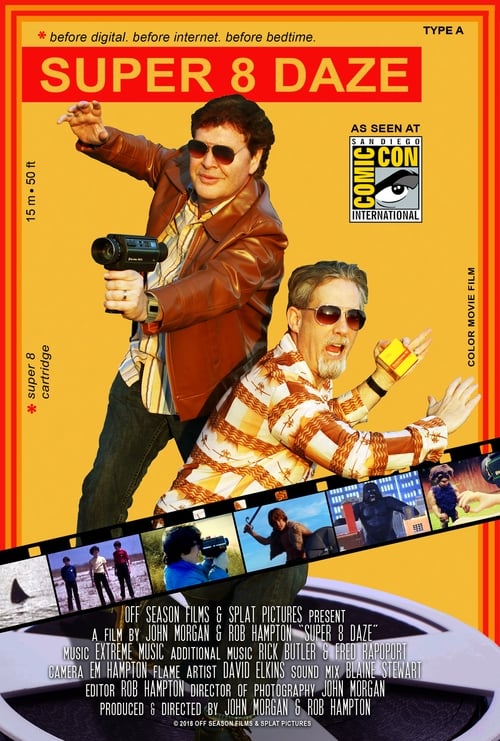
Super 8 Daze serves as a specialized archival documentary focused on preserving a specific cinematic subculture. It functions primarily as a historical retrospective of 1970s backyard filmmaking rather than a tool for social disruption. The film's diversity profile is limited by its subject matter, which tends to mirror the era's traditional gender roles and genre clichés. While it celebrates grassroots storytelling, it lacks intentional depth in representing diverse identities. Ultimately, the work prioritizes the preservation of amateur nostalgia over the active deconstruction of social hierarchies or the inclusion of diverse identities.
Category Breakdown
The film focuses on the nostalgic recreation of 1970s amateur cinema. There are no explicit LGBTQ+ characters or narratives that challenge the assumption that everyone is straight.
The narrative centers on 1970s hobbyist culture. Women do not occupy dominant or intellectually superior roles in the film, reflecting the traditional gender roles of the time.
The subject matter mirrors the predominantly white-centric genre clichés of the 1970s. There is no verified evidence of efforts to include actors from different racial backgrounds or to deconstruct racial hierarchies.
The documentary celebrates niche, non-institutional creativity. It prioritizes grassroots expression over centralized media structures, though it lacks explicit critiques of Western cultural norms.
There are no specific details regarding the inclusion of neurodivergent individuals or those with physical disabilities. The film's celebration of the 'outsider' spirit lacks clear examples of disability-driven ability to act.
Present on Screen
Limited or Absent
Official Synopsis
Award-winning documentary about kids who filmed Super 8 epics in the '70s, a time when dinosaurs, aliens, and killer sharks ruled the backyard!
2007
2019
2018

2014
1985
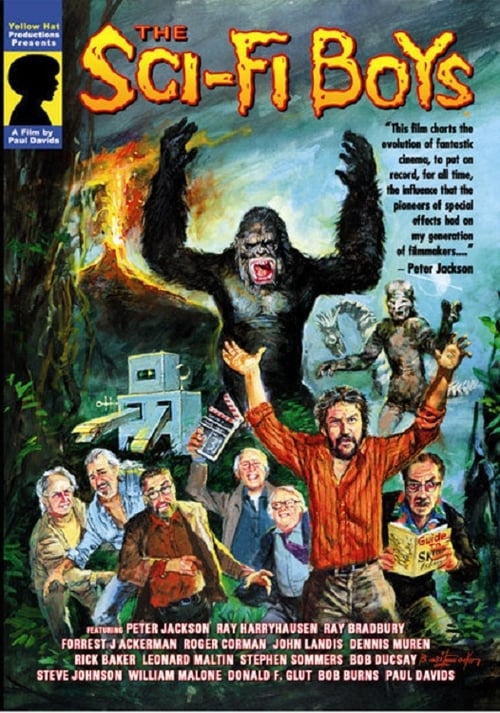
2006
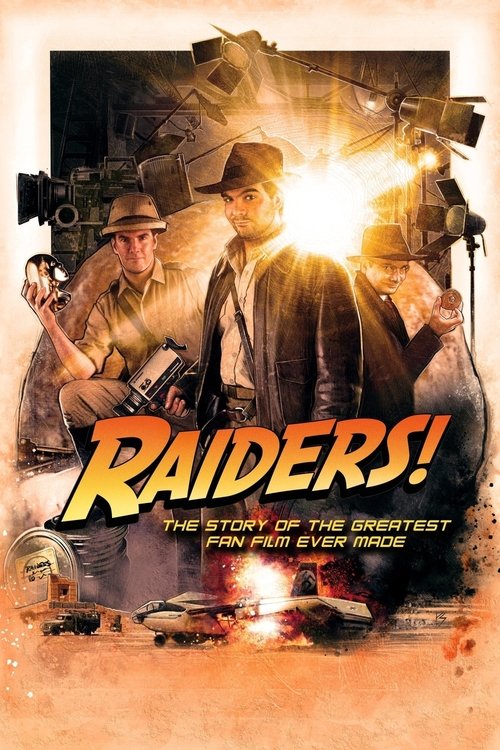
2015
2005
No reviews yet. Be the first to share your thoughts on this movie!
Use the rating form above to leave a star rating and optional review.