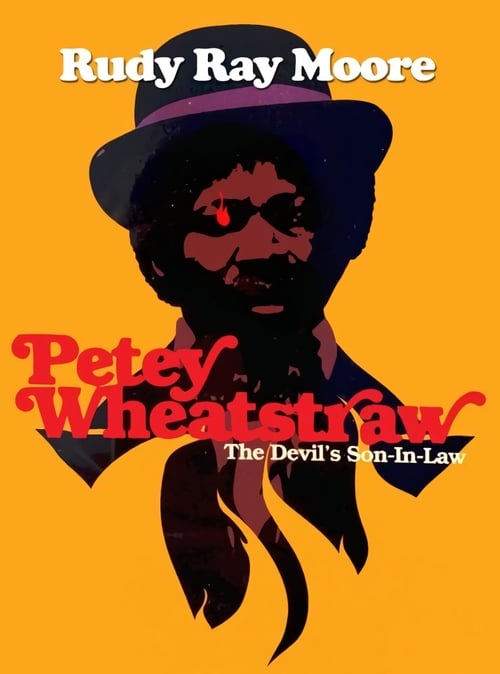
Petey Wheatstraw
1977
No user ratings available yet
Diversity score: 4.8 out of 10

1991
RDirector
Ate de Jong
Runtime
94 minutes
Average Rating
No ratings yetSynopsis
Charlie and Rachel run away from home to get married in Las Vegas. But they get attacked by a zombie who takes Rachel with him to hell, where she will become one of Satan's brides
Overall Score
Limited
Category Breakdown
LGBTQ+ Representation
The film centers on a traditional heteronormative romance between Charlie and Rachel. It lacks queer-coded characters or narratives that challenge standard gender identities.
Gender Representation
Rachel is frequently positioned as a damsel in distress after being abducted. While she shows survival instincts, the film does not subvert traditional gender hierarchies.
Racial & Ethnic Diversity
The central cast lacks significant racial or ethnic diversity. The story focuses on a stylized underworld without using diverse casting to explore intersectional themes.
Religious & Cultural Diversity
The film offers a satirical deconstruction of religious institutions. It portrays the afterlife as a surreal, bureaucratic, and absurd landscape rather than a site of moral authority.
Disability Representation
There are no prominent depictions of visible or invisible disabilities. No character arcs are defined by physical impairment or neurodivergence.
Strengths
Areas for Improvement
AI Analysis
Highway to Hell is a postmodern, absurdist comedy that prioritizes the subversion of systemic authority over demographic representation. Its primary strength lies in its satirical treatment of religious structures, reimagining the afterlife as a chaotic, bureaucratic system. However, the film remains tethered to the conventional casting and gender tropes of early 1990s genre cinema. The narrative relies on traditional romantic frameworks and lacks meaningful engagement with intersectional identities or diverse social perspectives.
No reviews yet. Be the first to share your thoughts on this movie!
Use the rating form above to leave a star rating and optional review.