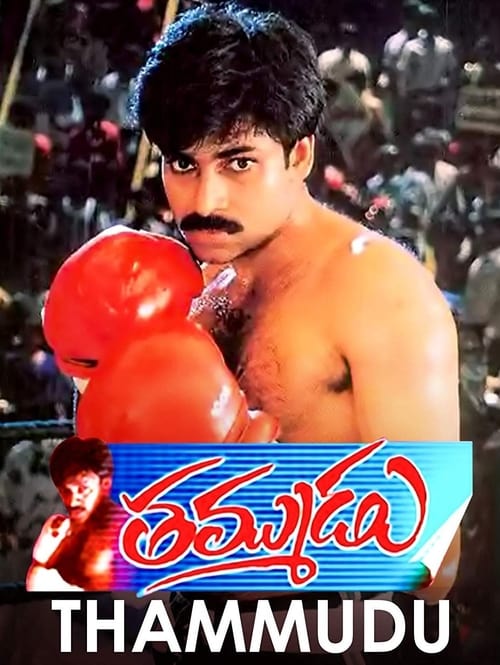
Thammudu
1999
No user ratings available yet
Representation score: 1.6 out of 10
Representation Score
Limited
2001
Director
P.A. Arun Prasad
Runtime
160 minutes
Average Rating
No ratings yetNew Showbiz Analysis
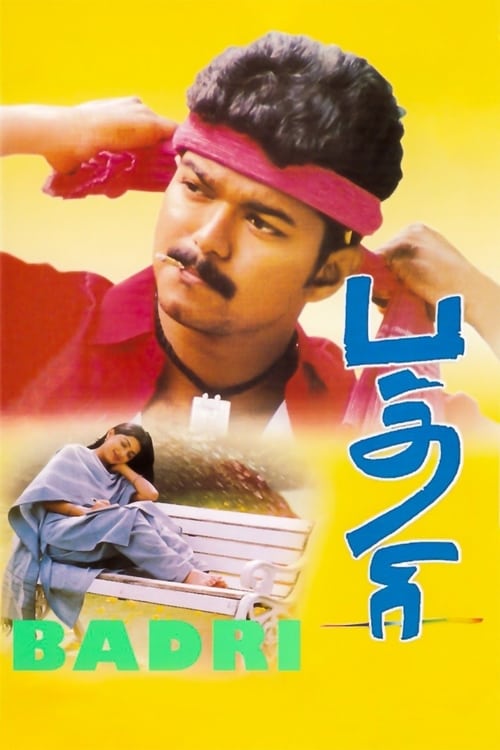
Badri is a traditional commercial drama that relies heavily on established genre clichés. The narrative structure is built around the restoration of patriarchal respect and the fulfillment of conventional familial roles. The film prioritizes a redemptive hero arc, where the protagonist's growth is tied to physical achievement and social conformity. This approach reinforces existing social hierarchies rather than challenging them. Ultimately, the storytelling remains within a conservative framework. It lacks engagement with multi-layered identities or the deconstruction of traditional social norms.
Category Breakdown
The film follows a strictly heterosexual and cisgender framework. Romantic arcs focus on binary relationships, offering no presence of LGBTQ+ identities.
The story centers on masculine archetypes of redemption through physical prowess. Female characters often serve as utility-based figures for the male protagonist's social or financial gain.
The cast presents a culturally specific, homogeneous landscape. It adheres to localized social norms rather than presenting a multi-ethnic or multi-layered environment.
Narrative values prioritize filial piety and the sanctity of the family unit. The plot focuses on restoring traditional hierarchical structures and familial duty.
Physical impairment is used primarily as a plot device. A bedridden brother serves as a catalyst for the hero's redemption rather than exploring lived experience.
Present on Screen
Limited or Absent
Official Synopsis
Badri (Vijay) is a troublemaker and a source of heartburn for his father (Kitty). So the father pins his hopes on his elder son, Vetri (Riyaz Khan), to win the kickboxing championship. Janu (Bhumika Chawla), Badri's neighbour, is in love with him but it is just one-sided as Badri considers her a good friend and a source of money (and since her dad is a garage owner, his gateway to new cars to impress the other girls). He falls in love with Mamathi (Monal), a rich girl, and poses as a rich guy to impress her. But he soon realises his mistakes and when his brother becomes bedridden, he decides to redeem himself in his father's eyes by fighting in the championship match. He finally redeems himself by defeating his opponent and at the same time, accepts Janu's love.
1999
1992
2018
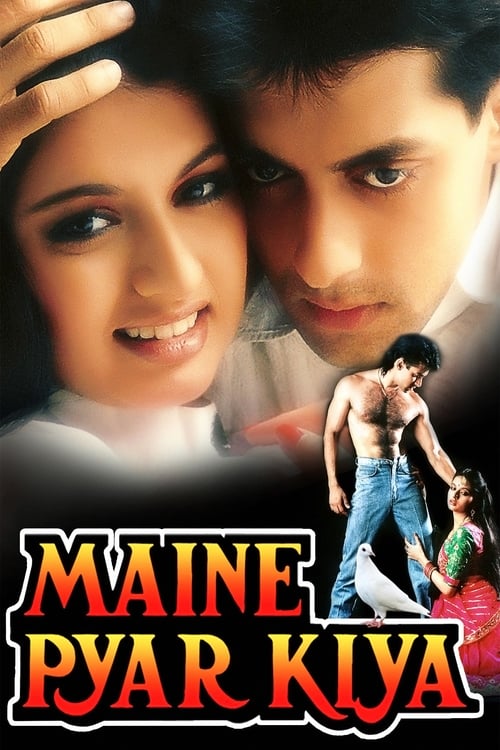
1989
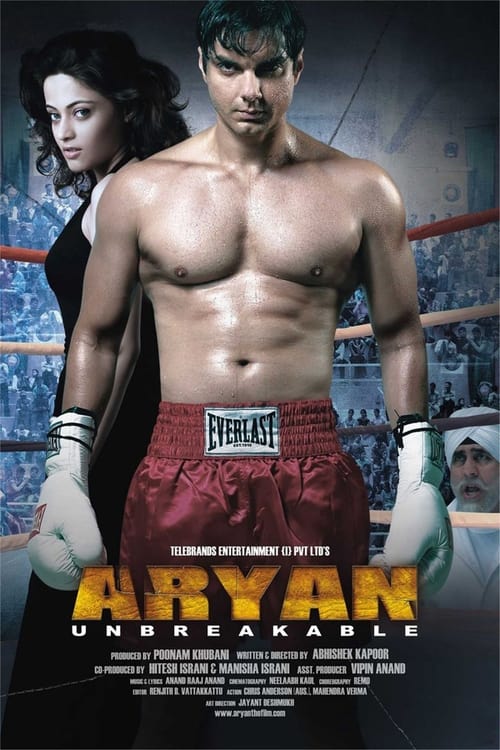
2006
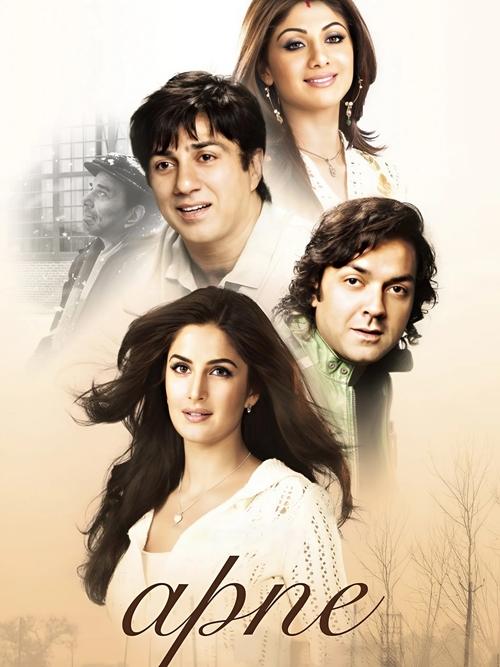
2007

2008
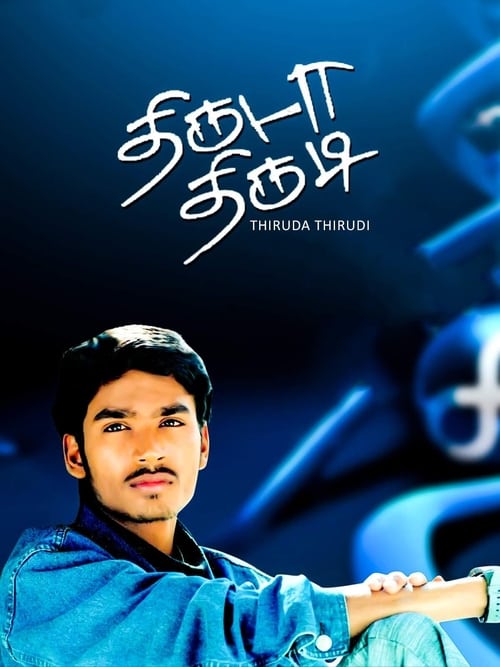
2003
No reviews yet. Be the first to share your thoughts on this movie!
Use the rating form above to leave a star rating and optional review.