
Mystery at the Opera Garnier
2017
No user ratings available yet
Representation score: 2.2 out of 10
Representation Score
Fair
2017
Director
Léa Fazer
Runtime
0 minutes
Average Rating
No ratings yetNew Showbiz Analysis
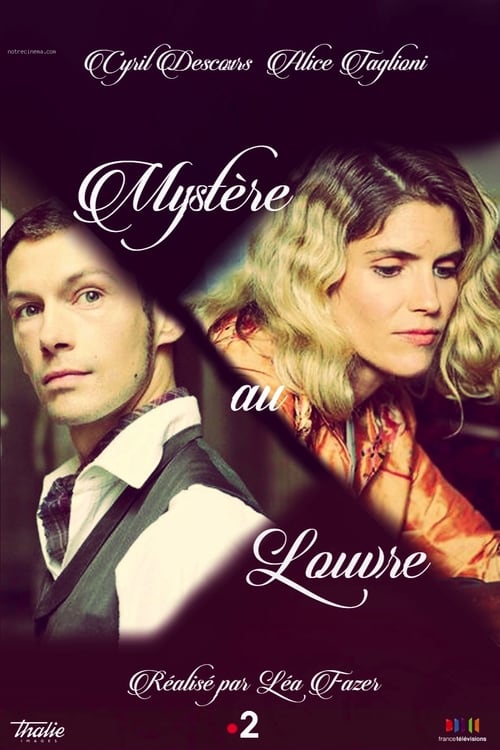
Mystery at the Louvre Museum challenges traditional social roles by centering a highly capable female protagonist who outmaneuvers patriarchal authority. The film uses gender performance to drive its central heist narrative, offering a sophisticated critique of institutional authority and systemic inadequacy. However, the film is limited by the demographic homogeneity typical of Belle Époque settings. The focus remains largely on French social hierarchies, resulting in a lack of racial and ethnic diversity.
Category Breakdown
The film centers on gender non-conformity, with Constance de Coulanges using a masculine disguise to navigate the Belle Époque landscape. This exploration challenges traditional gender roles and disrupts the gender binary.
The narrative disrupts 19th-century gender hierarchies by focusing on a highly intelligent female protagonist who outmaneuvers male figures of authority. Constance's superior intellect and strategic thinking play a central role in driving the plot.
Set in 1880s Paris, the film reflects the social constraints of the time. The narrative focuses on French high society and circus subcultures, showing no evidence of a multi-ethnic cast.
The story explores subjective morality and systemic grievances through a thief's perspective. It deconstructs the sanctity of the Louvre and questions the pursuit of justice through anti-authoritarian means.
The film does not significantly address physical or neurodivergent disabilities. While a circus performer highlights physical dexterity, there is no meaningful exploration of disability ability to act.
Present on Screen
Limited or Absent
2017

2022

2013

2013
2015
2011

2018

2017
No reviews yet. Be the first to share your thoughts on this movie!
Use the rating form above to leave a star rating and optional review.