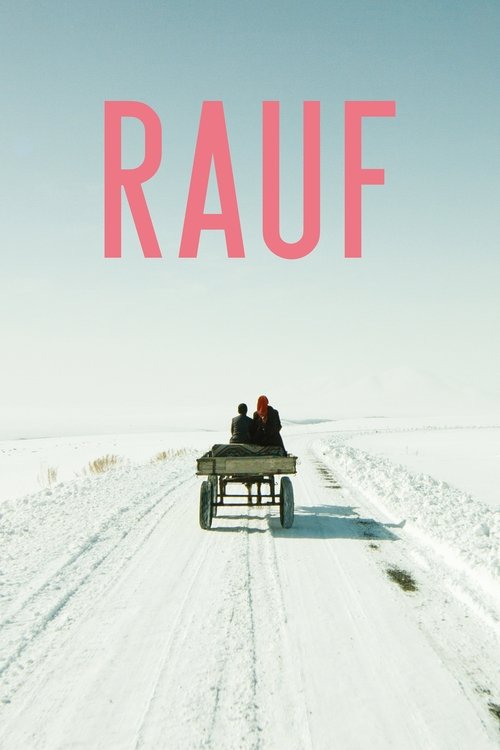
Rauf
2016
No user ratings available yet
Representation score: 5.9 out of 10

Representation Score
Fair
2010
Director
Su Turhan
Runtime
88 minutes
Average Rating
No ratings yetNew Showbiz Analysis
Ayla is a powerful study of cross-cultural empathy that transcends nationalistic boundaries. It excels in its racial and ethnic representation, using the bond between a Turkish soldier and a South Korean orphan to challenge the 'us vs. them' mentality common in war films. However, the film remains anchored in the traditional social structures of its era. It operates within a patriarchal military setting and lacks engagement with LGBTQ+ or neurodivergent narratives, which limits its broader social scope. Ultimately, the film's strength lies in its humanitarian lens. By centering empathy over military conquest, it provides a profound look at how individual human connections survive amidst geopolitical devastation.
Category Breakdown
The film does not include any LGBTQ+ characters or narratives. The emotional core revolves around a paternal bond between a soldier and a child, with romantic subplots adhering to traditional structures.
Set within a patriarchal military framework, the film reflects historical social realities. While the child protagonist exhibits significant emotional influence, the narrative does not actively challenge traditional gender hierarchies.
The film stands out by featuring a South Korean protagonist in a central role within a Turkish military context. This cross-cultural interaction disrupts typical war cinema dichotomies through a universal human connection.
The narrative offers a nuanced critique of how systemic conflict affects family structures. It prioritizes humanitarian connection over nationalistic fervor, emphasizing emotional bonds over statehood.
The film addresses the invisible disability of trauma and the vulnerability of war orphans. Characters navigate a world defined by the psychological and social impairments caused by displacement.
Present on Screen
Limited or Absent
Official Synopsis
After turning away from her Turkish family, young Ayla works as a kindergarten teacher and enjoys the liberties of being single. When she meet photographer Ayhan, she ignores all qualms and falls head over heels in love with him. Then Hatice, the mother of one of the kindergarten kids, is desperately seeking Ayla′s help: Hatice is living in fear since she has decided to divorce her husband, thereby enraging her strict Muslim family. Ayla takes her and the kid in, only later realizing that Ayhan is one of Hatice′s brothers.
2016

2008
2010

2004

2015

2017
1978

2004
No reviews yet. Be the first to share your thoughts on this movie!
Use the rating form above to leave a star rating and optional review.