
The Arena
1974
No user ratings available yet
Representation score: 7.9 out of 10
Representation Score
Fair
2001
RDirector
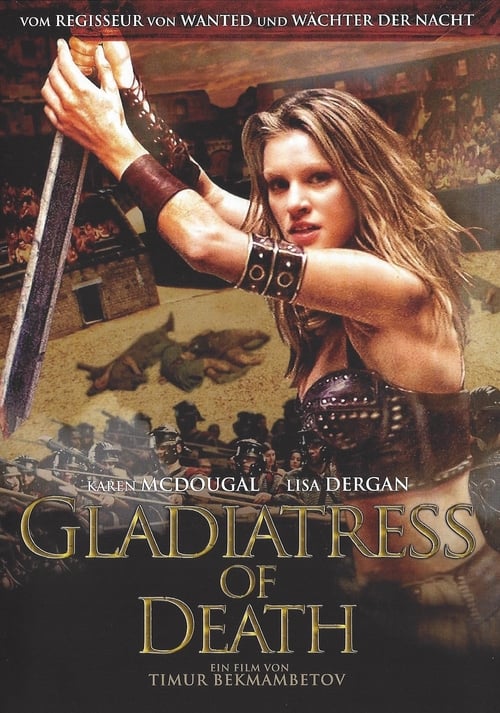
Timur Bekmambetov
Runtime
92 minutes
Average Rating
No ratings yetNew Showbiz Analysis
The Arena deconstructs the classical 'civilization vs. barbarian' cliché by centering the narrative on those victimized by imperial expansion. It replaces traditional Roman stability with a lens of hyper-violence and systemic dysfunction. Strength lies in the high ability to act of its diverse cast and its critical stance toward established imperial institutions. Female characters are placed in positions of combat and survival, moving away from submissive clichés. However, representation remains somewhat tied to atmosphere rather than identity. LGBTQ+ elements are linked to general hedonism rather than nuanced character development, and disability representation is absent.
Category Breakdown
The film uses Roman decadence to depict non-traditional social structures. However, there are no specific character arcs centered on LGBTQ+ identity.
Female characters like Bodicia and Jessemina play key roles in the story, taking on combat-oriented roles and demonstrating strength in a violent world.
The ensemble features a multicultural cast including Druids and barbarians, highlighting the systemic displacement of non-Roman peoples conquered by the empire.
The story critiques imperial power by portraying the Roman hierarchy as corrupt and oppressive. It focuses on the exploitation of stolen individuals rather than the glory of empire.
There is no evidence regarding the portrayal of physical or neurodivergent disabilities in the film.
Present on Screen
Limited or Absent
Official Synopsis
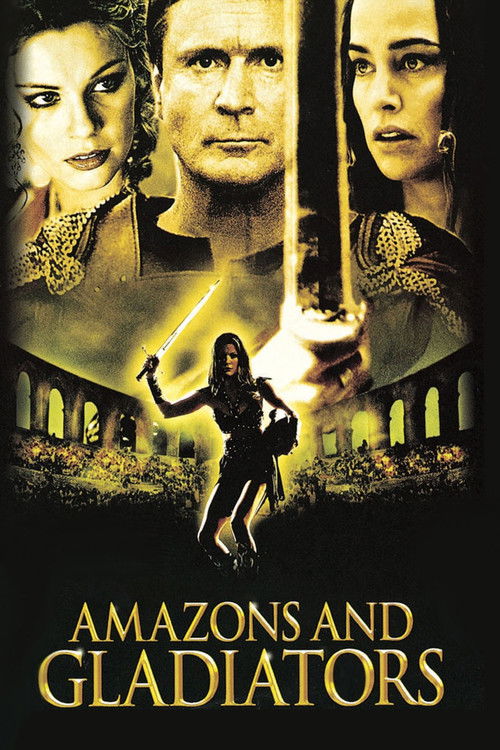
In an age of Gladiators, the power that was Rome held its empire together with the might of its armies, the sweat and tears of its conquests, and the cheers and bloodlust of its citizens – glorified in the deadly spectacle of The Arena. Stolen from their homelands, the fiery Druid maiden Bodicia, exotic slave girl Jessemina, and the powerful barbarian Flavius, are pitted against each other as gladiators by the sadistic Roman Governor Timarchus. Banished by Caesar, Timarchus unleashes his frustration on his gladiators, staging extravagant spectacles of combat, orgy and death. In a violent world where only the strong survive, love and hate, life and death, are separated by an instant.
1974

1991

2016
2003
2001

2003
2024
2010
No reviews yet. Be the first to share your thoughts on this movie!
Use the rating form above to leave a star rating and optional review.