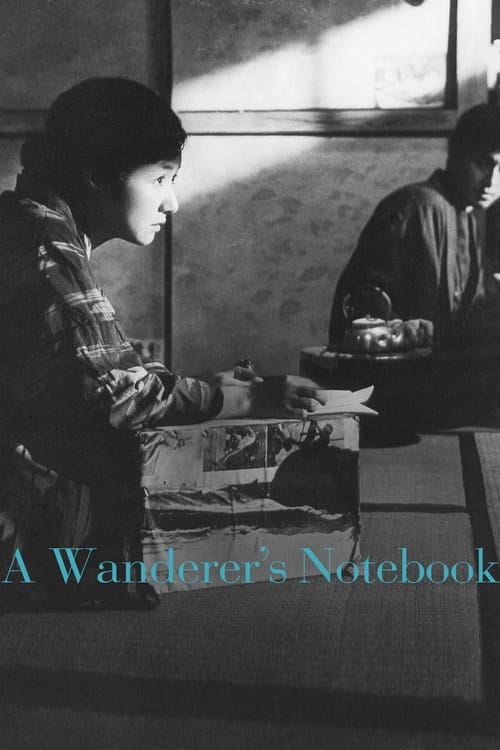
A Wanderer's Notebook
1962
No user ratings available yet
Representation score: 5.5 out of 10
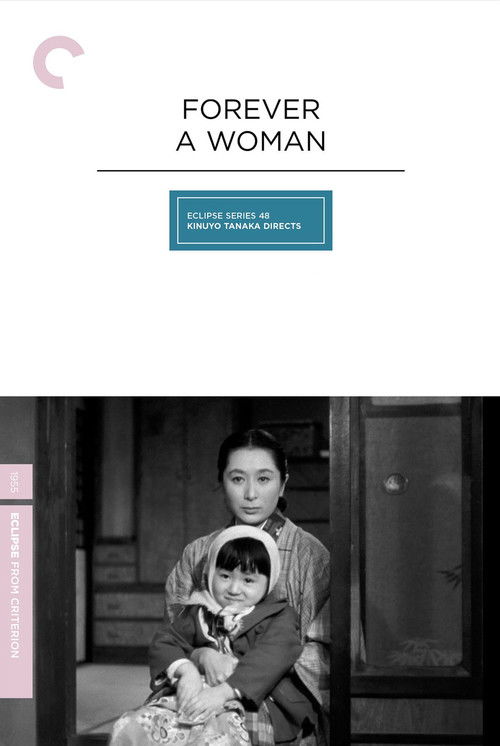
Representation Score
Excellent
1955
Director
Kinuyo Tanaka
Runtime
109 minutes
Average Rating
No ratings yetNew Showbiz Analysis
Kinuyo Tanaka's direction offers a nuanced look at female subjectivity, moving beyond mid-century domestic clichés. The film's strength lies in its portrayal of the protagonist's liberation through her career as a poet, rather than her place within a patriarchal family structure. While the film provides a non-Western perspective, it remains ethnically homogeneous. It does not include explicit LGBTQ+ representation, focusing instead on the complexities of a woman's independent life and mortality.
Category Breakdown
The story centers on traditional relationships such as marriage and divorce. There are no LGBTQ+ characters or non-straight relationships shown.
The film highlights the intellectual growth of a female protagonist during her divorce, emphasizing her independence. It downplays the role of her unfaithful husband.
This Japanese film presents a culturally specific, non-Western viewpoint. Although the cast is ethnically uniform, it still offers a narrative outside the Western tradition.
The story questions the sanctity of traditional family structures by showing the protagonist's journey to becoming an independent literary figure. It emphasizes individual existential struggles over idealized family life.
The inclusion of a breast cancer diagnosis allows for an exploration of physical vulnerability. The medical condition is woven into the protagonist's professional and personal development.
Present on Screen
Limited or Absent
Official Synopsis
Fumiko, mother of two and wife to an unfaithful man, shares her family life with her budding vocation as a poet. The beginning of her successful literary career coincides with her divorce and her breast cancer diagnosis. In her final stages, Fumiko meets a young journalist from Tokyo who wants to write a story on her experiences.
1962
1961
1967
1955

2015
1953
1985
1957
No reviews yet. Be the first to share your thoughts on this movie!
Use the rating form above to leave a star rating and optional review.