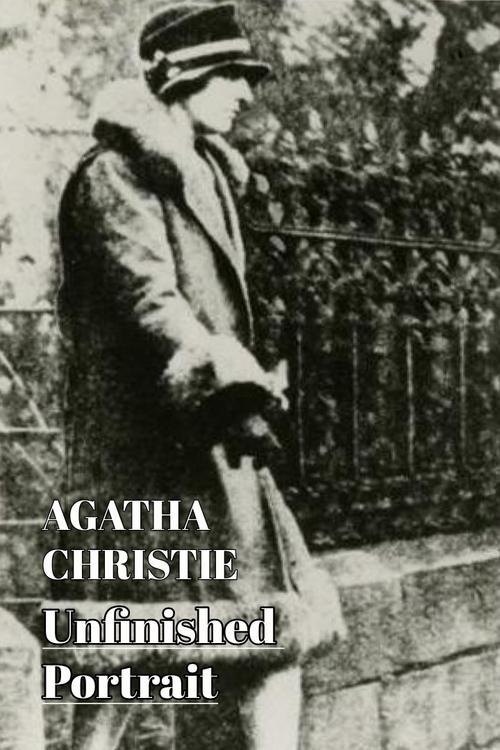
Agatha Christie - Unfinished Portrait
1990
No user ratings available yet
Diversity score: 2.8 out of 10
2016
Director
Jean-Christophe Klotz
Average Rating
No ratings yetOverall Score
Limited
Category Breakdown
LGBTQ+ Representation
The documentary focuses on literary history and detective tropes. It contains no LGBTQ+ character arcs or narratives addressing non-cisnormative identities.
Gender Representation
The film celebrates Agatha Christie's individual literary agency and intellectual dominance. It operates within a historical framework without necessarily subverting traditional gender hierarchies.
Racial & Ethnic Diversity
The subject matter is rooted in the Anglo-centric, early 20th-century British literary tradition. There is no indication of race-bent casting or a diverse cast.
Religious & Cultural Diversity
The film explores the cultural legacy of a cornerstone of Western popular literature. It does not prioritize anti-Western or anti-capitalist critiques.
Disability Representation
There is no evidence of characters or subjects navigating physical or neurodivergent disabilities within the work.
Strengths
Areas for Improvement
AI Analysis
This documentary prioritizes intellectual inquiry and the deconstruction of literary mechanics over social representation. It functions as a meta-commentary on the relationship between Agatha Christie and her famous creation, Hercule Poirot. The film's narrow, academic focus on a specific plot twist and biographical mystery limits its engagement with intersectional identities. While it highlights a female author's legacy, the content remains tethered to the Eurocentric context of the Golden Age of Detective Fiction. Ultimately, the work is a specialized study of a historical period and literary structure rather than a vehicle for challenging systemic social hierarchies.
1990
2013
2019
2001
2004
1999
2013
2004
2019
2006
2019
2014
No reviews yet. Be the first to share your thoughts on this movie!
Use the rating form above to leave a star rating and optional review.