
The Bubble
2006
No user ratings available yet
Representation score: 7.0 out of 10
Representation Score
Fair
1994
Director
Guita Schyfter
Runtime
114 minutes
Average Rating
No ratings yetNew Showbiz Analysis
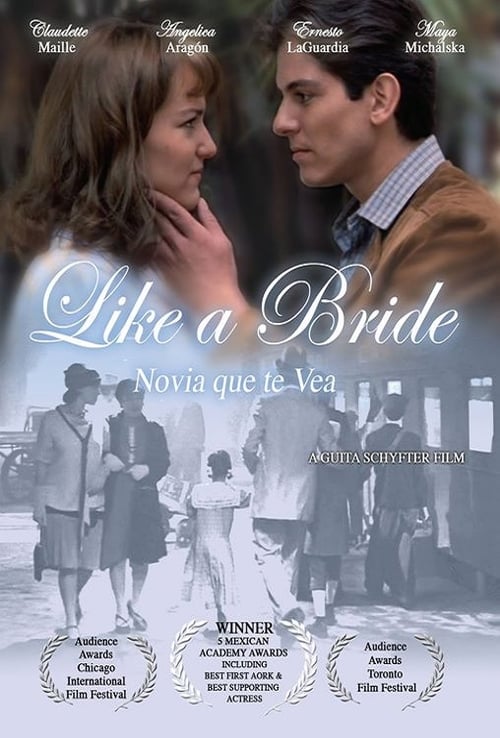
Like a Bride offers a sophisticated look at the Jewish diaspora in Mexico, specifically through the experiences of Sephardic and Ashkenazi women. It successfully avoids monolithic views of ethnicity by highlighting distinct ancestral histories and the feeling of being a foreigner in one's own country. The film's strength lies in its nuanced exploration of how historical legacy clashes with modern autonomy. By centering female protagonists who actively challenge communal traditions, the story moves beyond passive heritage to focus on individual ability to act. However, the film lacks visible representation for LGBTQ+ identities or disability. While it provides deep cultural and ethnic complexity, these specific areas remain unaddressed in the current narrative scope.
Category Breakdown
The film does not explicitly address queer narratives or non-straight relationships. The protagonists' search for personal identity focuses on romantic and family dynamics.
Women's their own choices drive the central conflict as Oshinica and Rifke face patriarchal traditions. The story centers on women negotiating cultural expectations to shape their own lives.
The film highlights the distinct Sephardic and Ashkenazi lineages within Mexico. It avoids monolithic views of ethnicity by exploring how race and nationality intersect.
The film challenges dominant cultural norms by focusing on a minority experience that feels foreign. It prioritizes the deconstruction of rigid religious and communal norms.
There is no mention of characters navigating physical, neurodivergent, or mental health conditions within the narrative.
Present on Screen
Limited or Absent
Official Synopsis
Oshinica Mataraso and Rifke Groman are from two families from Europe: the Mataraso are Sephardic who came to Mexico after being expelled by the Catholic Monarchs, and the Groman are Ashkenazi and their lineage had to face the Holocaust. Oshinica and Rifke are Mexican-born Jews, although they feel treated as foreigners. Anxious to find their identity, Oshi and Rifke confront the traditions of their relatives.
2006
2018

2005

2018
2015

2018

2003

1998
No reviews yet. Be the first to share your thoughts on this movie!
Use the rating form above to leave a star rating and optional review.