
Detour
2003
No user ratings available yet
Representation score: 0.7 out of 10

Representation Score
Minimal
2006
Director
Erwin van den Eshof
Runtime
90 minutes
Average Rating
No ratings yetNew Showbiz Analysis
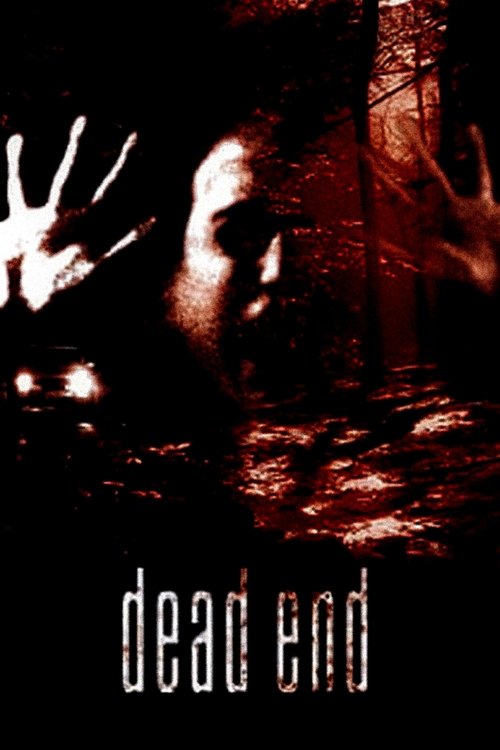
Dead End operates as a conventional survival-horror film, relying heavily on established genre clichés such as isolation and sudden violence. The narrative centers on a group of young people facing environmental hostility without delving into complex social identities. Since the film prioritizes the survival-horror framework, it lacks the intentional characters who reflect more than one aspect of diversity or subversion of traditional social hierarchies found in more progressive cinema. The creative team's background suggests a focus on low-budget genre thrills rather than deeper social commentary.
Category Breakdown
The film does not include any LGBTQ+ characters or explore non-straight relationships. It follows a typical survival storyline without addressing queer themes.
The synopsis describes a group of young people but does not specify gender distribution. It likely uses conventional horror clichés where female characters often play vulnerable roles.
There is no information about the racial or ethnic makeup of the cast. The film probably features a homogeneous cast typical of mid-2000s European genre films.
The story uses a traditional Western setting and follows a standard survival arc. There is no indication of religious critique or deconstruction of Western institutions.
There is no mention of characters with visible or invisible disabilities. The context does not indicate any neurodivergent representation.
Present on Screen
Limited or Absent
Official Synopsis
A group of young people head off on a vacation. When the car breaks down they're forced to find help. In the woods they find a house and some angry dogs which were by their car too. They decide to enter the house and that's where all the madness begins.
2003
2006

2017
2006
2011
2003
2016
2003
No reviews yet. Be the first to share your thoughts on this movie!
Use the rating form above to leave a star rating and optional review.