
Burglar from Hell
1993
No user ratings available yet
Representation score: 2.5 out of 10
Representation Score
Fair
1989
UnratedDirector
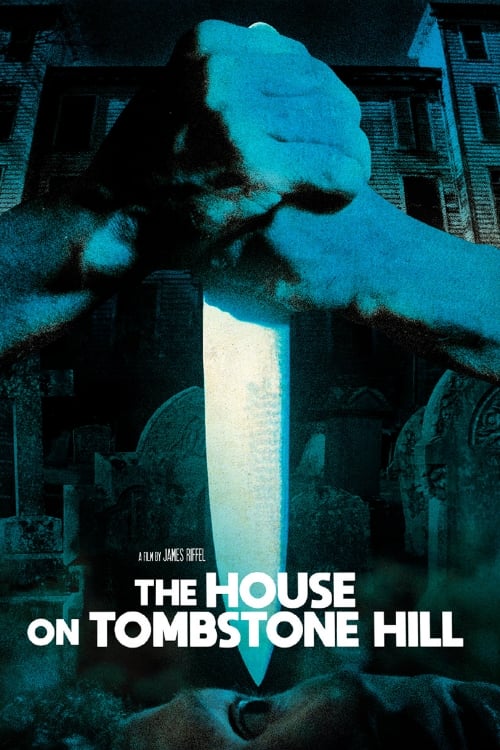
James Riffel
Runtime
94 minutes
Average Rating
No ratings yetNew Showbiz Analysis
The Dead Come Home is a conventional horror piece that mirrors the demographic and narrative norms of its era. It relies heavily on established genre clichés, such as the isolated setting and the mysterious outsider, without introducing multi-layered complexity. The film lacks visible indicators of systemic critique or the disruption of social hierarchies. Instead, it appears to follow a standard ensemble structure that prioritizes traditional social groupings and archetypes over diverse or nuanced character identities.
Category Breakdown
The film does not include explicit LGBTQ+ characters or relationships that challenge the assumption that everyone is straight or cisgender. It follows a conventional ensemble structure typical of late-1980s horror.
While there is a senile old woman character, her role as a lurking figure suggests a reliance on archetypal clichés. The group of friends likely adhere to traditional gender roles.
The isolated setting suggests a homogeneous cast. There is no evidence of a diverse or non-Anglo-Saxon majority within the narrative structure.
The plot centers on property ownership and domesticity. The conflict involving a strange outsider may reinforce traditional social boundaries rather than critique them.
The characterization of the elderly woman as senile risks using cognitive decline as a mere plot device. There is no evidence of nuanced disability representation.
Present on Screen
Limited or Absent
Official Synopsis
A group of friends decide to renovate an old house located in the middle of nowhere, in the hope of turning it into their crash pad, but shortly after arriving, a strange and seemingly senile old woman is found to be lurking around the premises.
1993

1981
1990

1990

1986

1987

1993
2018
No reviews yet. Be the first to share your thoughts on this movie!
Use the rating form above to leave a star rating and optional review.