Find another title
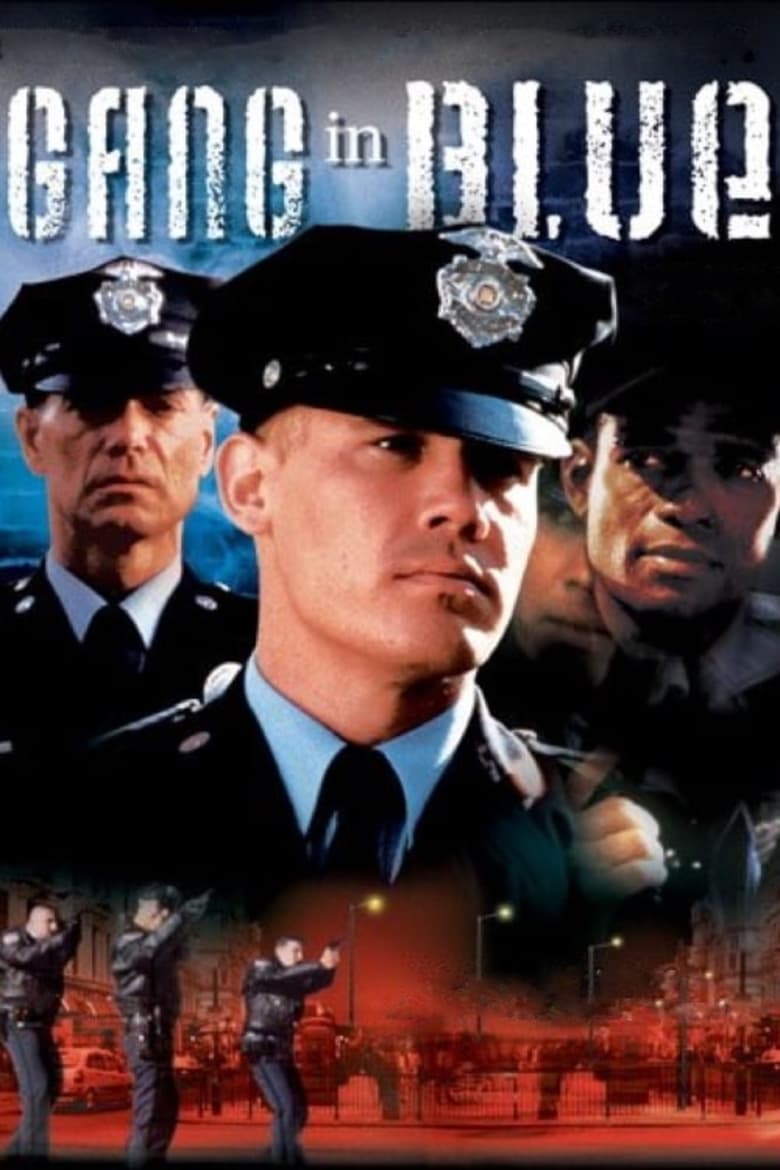
Gang in Blue
1996
RDirector
Melvin Van Peebles, Mario Van Peebles
Runtime
97 minutes
Average Rating
No ratings yetSynopsis
A black police officer discovers a cell of white supremacist vigilantes within his department.
Where to Watch
Diversity & Representation
Overall Score
Fair
Category Breakdown
LGBTQ+ Representation
The film lacks prominent LGBTQ+ characters or storylines. The narrative focus remains strictly on racial and institutional dynamics, offering little exploration of queer identities.
Gender Representation
Gender roles follow a traditional structure, prioritizing the male experience of brotherhood. While female characters exist, they lack the central agency granted to the male protagonists.
Racial & Ethnic Diversity
The film disrupts cinematic norms by centering a predominantly Black cast within the LAPD. It explores how racial identity functions within systemic power structures and white supremacist cells.
Religious & Cultural Diversity
The story offers a sophisticated critique of Western institutional authority. It explores systemic corruption and the tension between state institutions and the community.
Disability Representation
There is no significant emphasis on visible or invisible disabilities. Characters with disabilities are not utilized as central drivers of the plot or character arcs.
Strengths
- Exceptional centering of Black agency within law enforcement structures.
- Sophisticated interrogation of systemic corruption and institutional racism.
- Challenges traditional cinematic portrayals of police and authority.
Areas for Improvement
- Limited agency and central roles for female characters.
- Lack of representation for LGBTQ+ identities and storylines.
- Minimal focus on disability or neurodivergent perspectives.
AI Analysis
Gang in Blue is a powerful deconstruction of law enforcement that centers the Black experience within a traditionally white institution. By focusing on Black officers confronting white supremacist vigilantes, the film provides a nuanced look at systemic power and racial identity. However, the film's scope is narrow regarding other identities. The narrative is heavily centered on male camaraderie, leaving female characters with limited agency. Similarly, there is a notable absence of LGBTQ+ representation and disability-focused storylines. Ultimately, the film succeeds as a progressive critique of institutional corruption and racial hierarchies, even if it adheres to more conventional gender and social dynamics.
Rate this Movie
Reviews
No reviews yet. Be the first to share your thoughts on this movie!
Use the rating form above to leave a star rating and optional review.