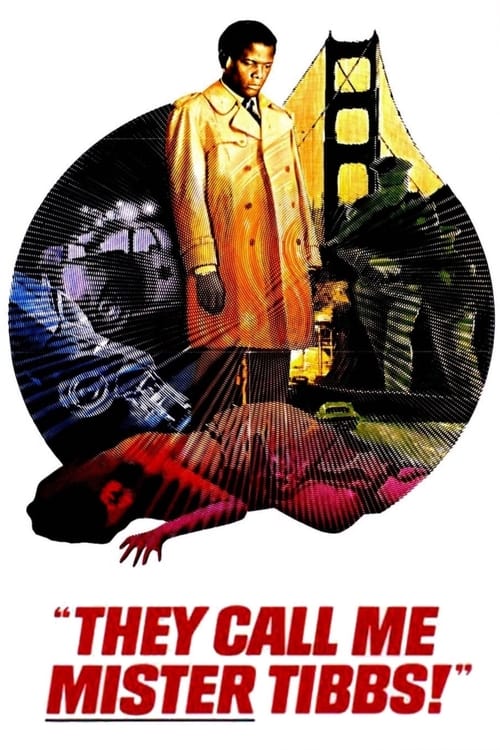
They Call Me Mister Tibbs!
1970
No user ratings available yet
Representation score: 3.0 out of 10
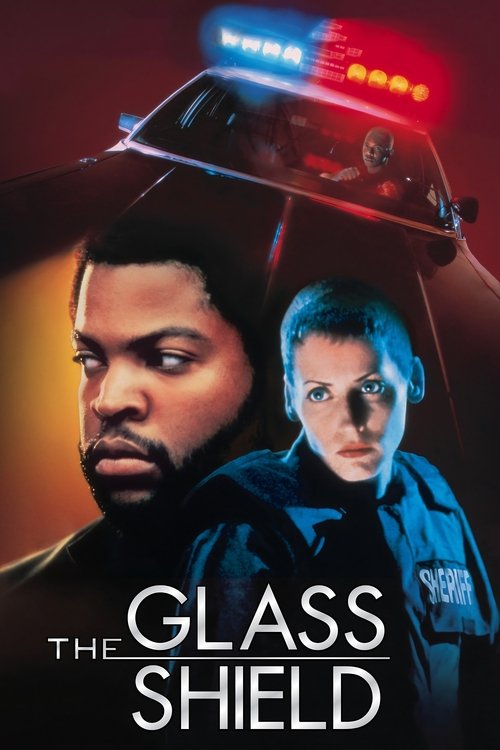
Representation Score
Fair
1994
PG-13Director
Charles Burnett
Runtime
110 minutes
Average Rating
No ratings yetNew Showbiz Analysis
Charles Burnett uses his background in New Black Realism to create a critique of institutional power. The film examines the tensions created by integrating historically exclusionary spaces, particularly through the lens of a Black officer entering an all-white department. However, the film's impact is weakened by the casting of a white actor in the lead role, which creates a disconnect between the story's goals and its visual execution. Overall, the film effectively deconstructs traditional authority structures, presenting a complex view of systemic corruption where the protagonist navigates the conflict between legal obligations and personal ethics.
Category Breakdown
The film does not include any LGBTQ+ characters or explore non-straight relationships. The story focuses solely on racial and gender dynamics.
The story introduces a female officer into an all-male, white-dominated environment. She faces multiple barriers as she tries to advance professionally.
The film centers on a Black officer in an all-white police department, highlighting the challenges of integration. However, the lead role is played by a white actor, which creates a tension that affects the film's message.
The film critiques traditional Western institutions by showing the police and legal systems as corrupt. It shifts away from moralistic views of authority to focus on systemic failures.
The film does not feature any characters with visible or invisible disabilities as central plot drivers or subjects of mockery.
Present on Screen
Limited or Absent
Official Synopsis
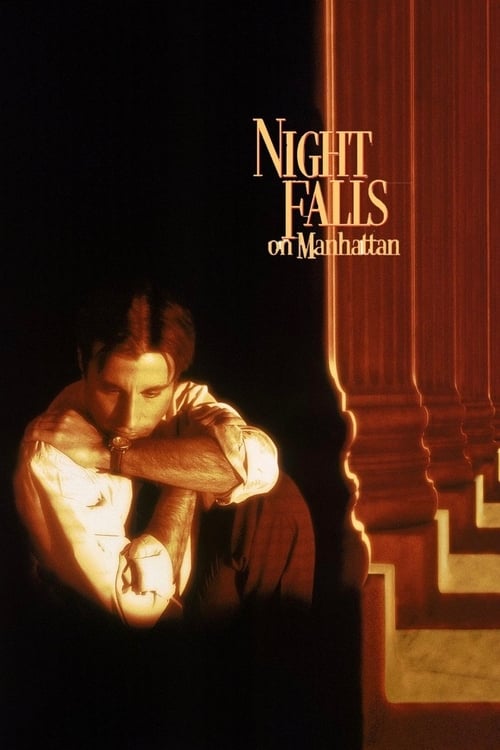
J.J. is a rookie in the Sheriff's Department and the first black officer at that station. Racial tensions run high in the department as some of J.J.'s fellow officers resent his presence. His only real friend is the other new trooper, the first female officer to work there, who also suffers similar discrimination in the otherwise all-white male work environment. When J.J. becomes increasingly aware of police corruption during the murder trial of Teddy Woods, whom he helped to arrest, he faces difficult decisions and puts himself into grave personal danger in the service of justice.
1970
1984
2002
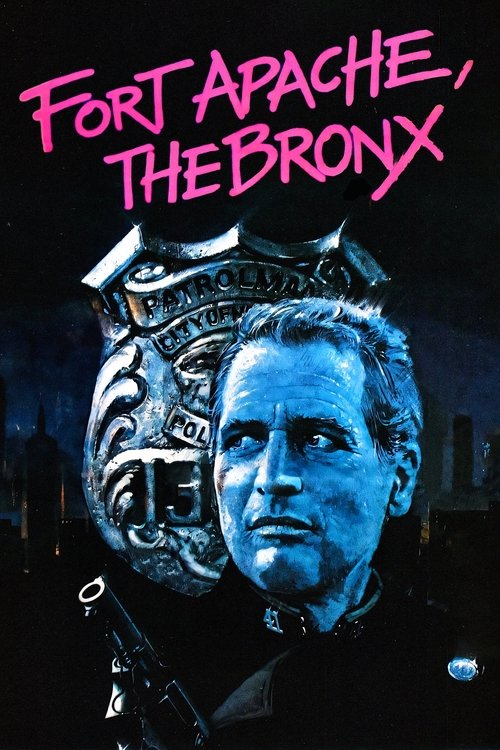
1981
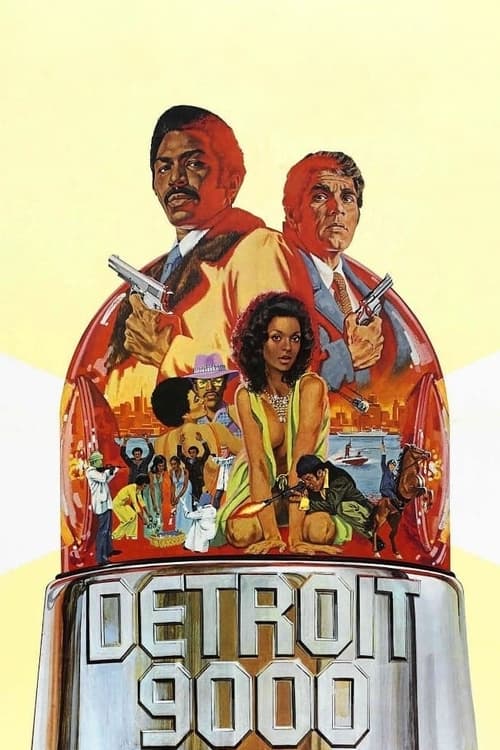
1973
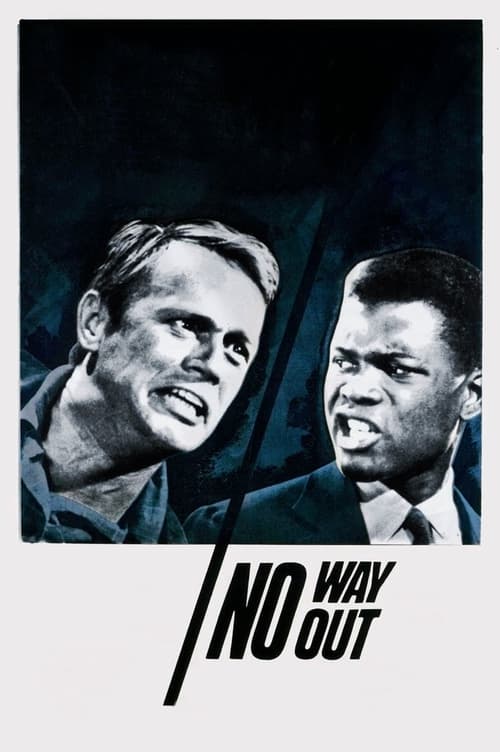
1950
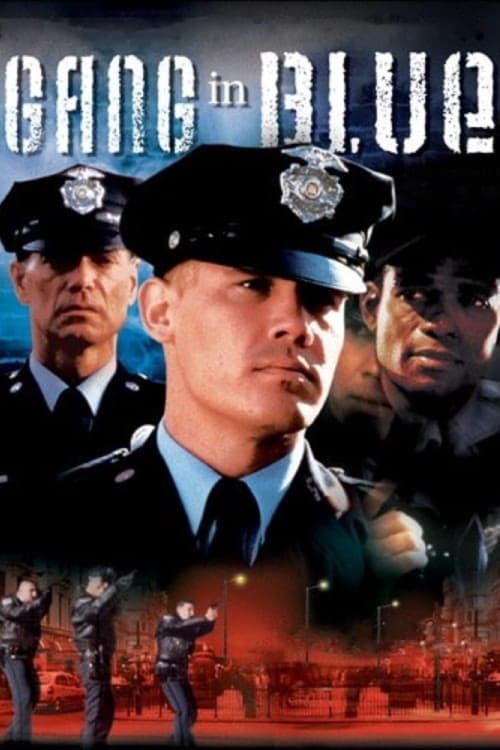
1996
1997
No reviews yet. Be the first to share your thoughts on this movie!
Use the rating form above to leave a star rating and optional review.