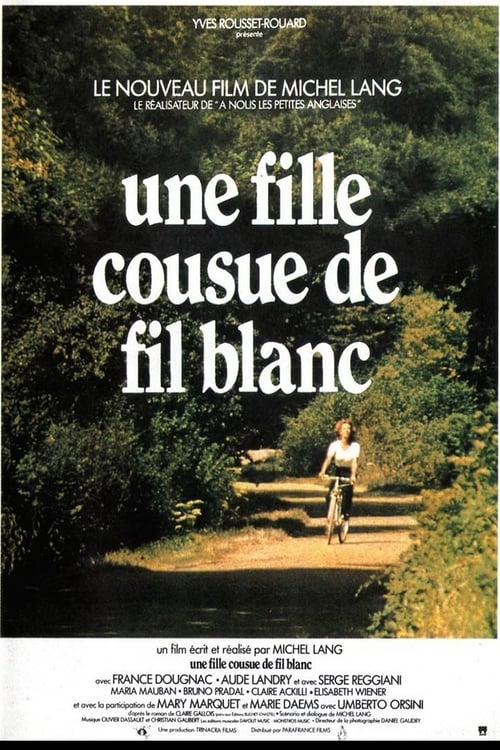
Une fille cousue de fil blanc
1977
No user ratings available yet
Representation score: 2.7 out of 10
Representation Score
Fair
1977
Director
Patricia Moraz
Runtime
95 minutes
Average Rating
No ratings yetNew Showbiz Analysis
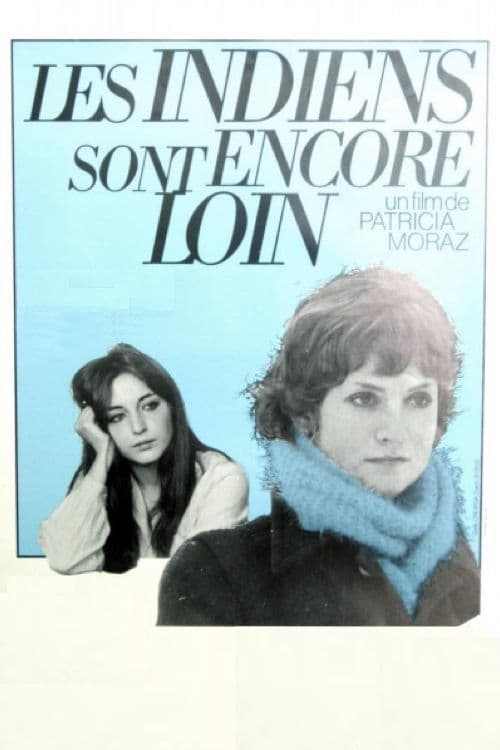
The film opens with a static, high-angle shot of a sterile suburban street, establishing the ordered domesticity that traps its protagonist. *The Indians Are Still Far Away* is a quiet, blue-tinted character study of a 17-year-old student, Jenny Kern, whose final days are marked by intellectual isolation and physical exhaustion. The sold meaning is female autonomy: Jenny is the moral center, her competence sharp against the passive, inept men around her. The film’s argument is that traditional structures—school, marriage, bourgeois expectation—are sites of quiet oppression, and that individual self-possession is the only viable escape. The contradiction lies in the film’s refusal to dramatize this escape. Jenny does not rebel violently or find a new partner; she simply endures, her death from cold and exhaustion serving as the ultimate rejection of a life that demanded she be less than she is. The camera loves her face, treating her internal conflict as the primary narrative event, while the men around her are rendered hollow or irrelevant. The last image is not a romantic resolution but a solitary, un-romanticized acceptance of her own agency. The film’s values settle on the idea that autonomy, even in death, is preferable to compromise.
Category Breakdown
The film operates within a strictly heteronormative framework. Jenny’s romantic interest is exclusively male, with no same-sex intimacy or queer identity depicted on screen.
Jenny serves as the intellectual and moral center, while men are portrayed as passive or inept. The camera lingers on her face, treating her interiority as the primary narrative event.
The cast is entirely white, reflecting the 1977 European context. Whiteness is the unmarked default, with no non-white characters or racial dialogue present.
School and domesticity are depicted as sites of quiet oppression. The film critiques bourgeois norms, framing traditional structures as stifling to individual autonomy.
Disability is absent from the narrative and visual field. All characters are physically able-bodied, with no medical or disability-related plot points.
Present on Screen
Limited or Absent
Official Synopsis
A 17-year-old high school student, Jenny Kern, is found dead from cold and exhaustion in the suburbs of Lausanne, Switzerland.
1977
1976

1974

2013
1971
1994

2020
1969
No reviews yet. Be the first to share your thoughts on this movie!
Use the rating form above to leave a star rating and optional review.