Twisted Mistress
1942
No user ratings available yet
Representation score: 1.9 out of 10
Representation Score
Minimal
1946
K-16Director
Jean Boyer
Runtime
85 minutes
Average Rating
No ratings yetNew Showbiz Analysis
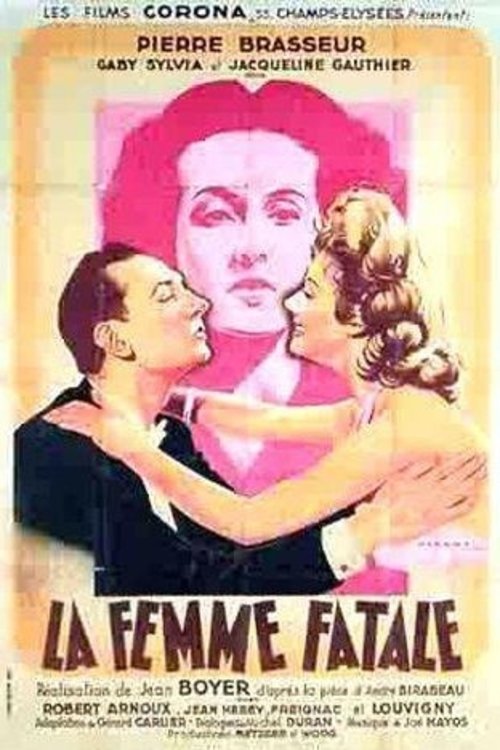
La Femme fatale is a period-specific noir that relies heavily on established genre clichés. While it provides a degree of influence to its female lead, it does so by leaning into the dangerous 'femme fatale' archetype. The film lacks multi-layered depth, offering a homogeneous cast and a narrative centered on traditional European social settings. It avoids engagement with non-straight relationships or systemic social critiques, focusing instead on the volatility of romantic deception. Ultimately, the film functions as a study of individual character flaws and moral ambiguity within a narrow, traditional framework.
Category Breakdown
The film focuses solely on heterosexual relationships and does not depict any LGBTQ+ identities or same-sex intimacy.
Fanny Le Doublond uses deception to navigate marital constraints, exercising significant influence. However, she is portrayed through the dangerous 'femme fatale' stereotype.
The cast appears homogeneous, reflecting a traditional European social setting. There are no characters of color or racial diversity.
The story centers on individual obsession and secular deceptions within mid-century noir conventions. It does not actively critique Western institutions like the family.
No characters with physical, sensory, or neurodivergent disabilities are present. The narrative focuses strictly on psychological and interpersonal conflicts.
Present on Screen
Limited or Absent
Official Synopsis
Fanny Le Doublond has a lover, Jean, and her husband is beginning to have suspicion. To calm him down she makes him believe that Jean dies of love for another woman and wants to commit suicide if his love is not returned. The two accomplices select a young creature named Claire Coussol for the (unwitting role)of the "beloved". As for Jean, he plays the suicidal man to perfection. But what the two lovers had not planned at all is that Claire, deeply moved by Jean's "act of desperation", starts growing fond of him.
1942
1945

1974
1938
1954
1943
1958
1945
No reviews yet. Be the first to share your thoughts on this movie!
Use the rating form above to leave a star rating and optional review.