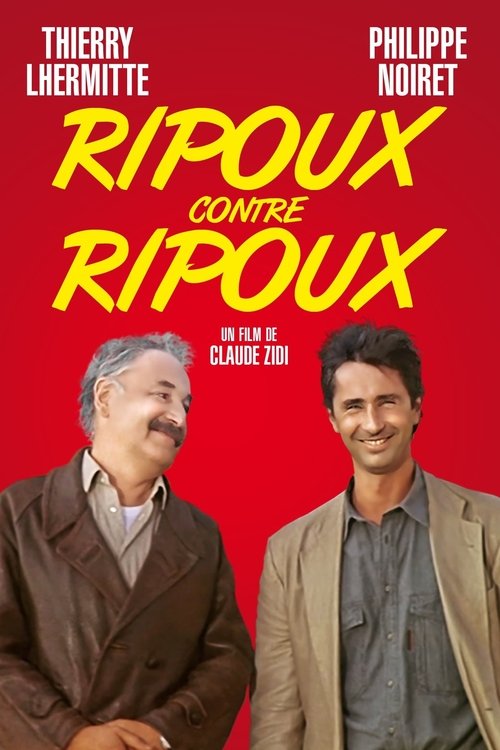
My New Partner II
1990
No user ratings available yet
Representation score: 2.5 out of 10
Representation Score
Limited
1979
Director
Alain Basnier
Runtime
90 minutes
Average Rating
No ratings yetNew Showbiz Analysis
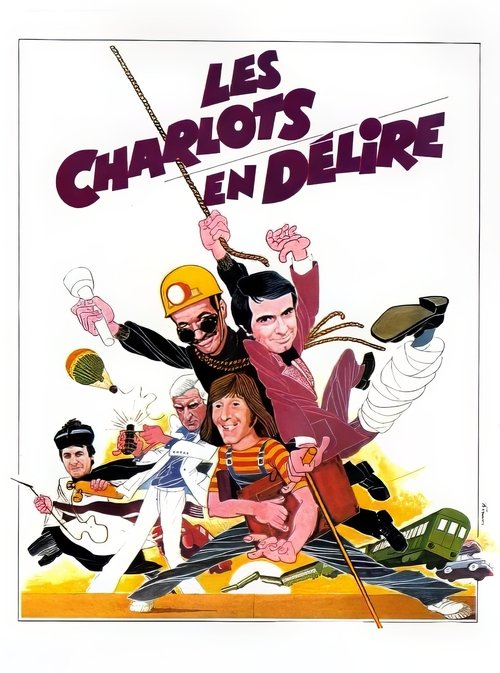
Les Charlots en délire is a product of its era, leaning heavily into the slapstick and situational humor common in late-1970s French comedy. The narrative is driven by class-based workplace conflict, specifically the tension between a CEO and his employees, rather than identity-driven storytelling. The film relies on broad character archetypes and traditional social hierarchies. It lacks the intentionality needed to disrupt cultural norms or provide nuanced representation of diverse identities. Ultimately, the film functions as a conventional commercial comedy. It prioritizes established comedic clichés over nuanced portrayals of diverse identities or systemic subversion.
Category Breakdown
The film does not include any LGBTQ+ characters or narratives that challenge traditional assumptions about sexuality and gender. It follows the comedic structures typical of 1979, which largely ignored non-cisgender identities.
The plot centers around a male-dominated industrial hierarchy involving a CEO and his staff. It emphasizes masculine professional structures without challenging gender hierarchies.
The narrative reflects the homogeneous social structures typical of late-1970s European cinema. The setting focuses on a specific, localized factory staff, reflecting the limited diversity of the time.
The story explores the conflict between capital and labor within a workplace comedy framework. It prioritizes employment stability over complex systemic critiques.
There is no mention of characters with visible or invisible disabilities. No such elements are used as plot devices or portrayed with significant roles in the story.
Present on Screen
Limited or Absent
Official Synopsis
Gérard, CEO of the factory "La voix du peuple", decides to close his factory by dismissing all his staff, starting with Jean Barbier, the chief of staff, and Phil Dechambre.
1990
1968
1974
1977
2016
1973
2008

1992
No reviews yet. Be the first to share your thoughts on this movie!
Use the rating form above to leave a star rating and optional review.