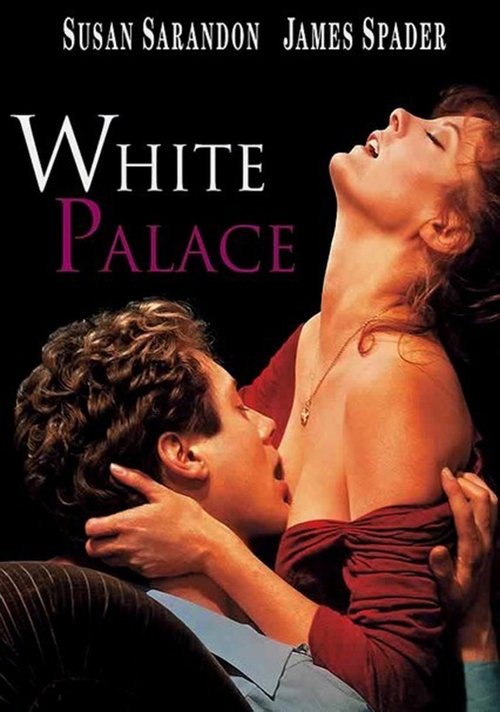
White Palace
1990
No user ratings available yet
Representation score: 4.4 out of 10

Representation Score
Limited
2000
PG-13Director
Joan Chen
Runtime
103 minutes
Average Rating
No ratings yetNew Showbiz Analysis
Autumn in New York is a traditional romantic melodrama that adheres to classic storytelling conventions. The film centers on a conventional male-female relationship within an affluent, predominantly white Manhattan setting. While the film delves into personal emotions and grief, it does not engage with diverse identities or challenge systemic issues. The narrative structure remains rooted in Western-centric social norms and traditional power dynamics.
Category Breakdown
The film follows a traditional male-female relationship without any representation of LGBTQ+ identities. There are no visible non-cisgender characters.
Charlotte is portrayed as a free-spirited character, but her role is limited by her terminal illness. The power dynamic favors the male lead, reinforcing traditional gender roles.
The cast is mainly white and wealthy, reflecting a uniform socioeconomic background. The story focuses on a localized, upper-middle-class experience in Manhattan, lacking diverse racial perspectives.
The film emphasizes individual emotional journeys while avoiding broader critiques of societal structures. It upholds traditional Western romantic ideals without challenging established cultural norms.
The protagonist's terminal illness drives the narrative tension, often emphasizing the tragic nature of the condition. The illness is used primarily to create emotional drama.
Present on Screen
Limited or Absent
Official Synopsis
Will Keane, a Manhattan restaurateur, is content with his playboy lifestyle until he meets Charlotte Fielding, a free-spirited young woman. Together the pair pursue a passionate affair that forces them both to reevaluate what they want out of life, even as fate threatens to steal away their future.
1990

2000
2006
2006
1979

1998

2001

1998
No reviews yet. Be the first to share your thoughts on this movie!
Use the rating form above to leave a star rating and optional review.