
Vicky Cristina Barcelona
2008
No user ratings available yet
Representation score: 5.9 out of 10
Representation Score
Fair
2003
PG-13Director
James Ivory
Runtime
117 minutes
Average Rating
No ratings yetNew Showbiz Analysis
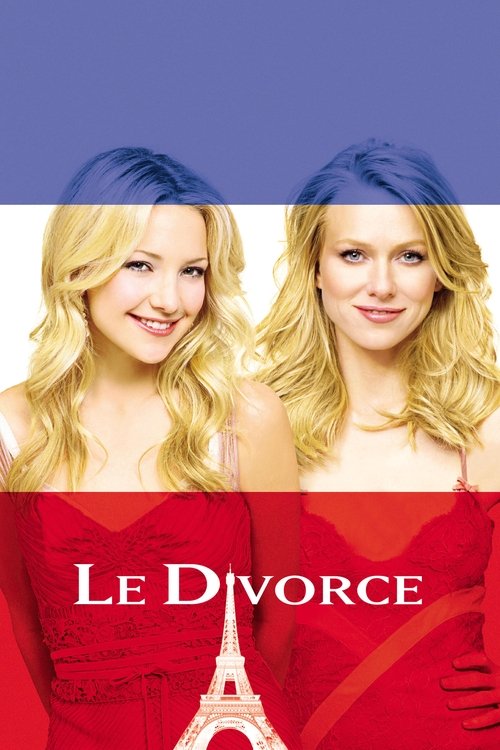
Le Divorce is a sophisticated character study that challenges traditional gender hierarchies by giving female protagonists a significant role in driving the story. It deconstructs the traditional Western family unit and prioritizes individual autonomy over societal norms. However, the film remains narrow in its social scope, lacking meaningful representation of LGBTQ+ identities, racial diversity, or disability. Its progressive value lies in its intellectual exploration of autonomy rather than its breadth of human experience.
Category Breakdown
The film focuses solely on straight relationships and does not include any LGBTQ+ characters or explore non-cisgender identities.
Female characters play a significant role in driving the story and challenge traditional gender roles by taking control of their lives. The film shows the breakdown of patriarchal structures through realistic portrayals of family dynamics.
The cast primarily consists of characters from a similar cultural background, and the film does not actively engage with racial or ethnic diversity within its cosmopolitan setting.
The story questions the sanctity of the nuclear family and traditional Western institutions by prioritizing personal emotional truths over strict religious or moral rules.
There is no depiction of physical, sensory, or neurodivergent disabilities. The film does not include characters navigating these lived experiences.
Present on Screen
Limited or Absent
Official Synopsis
While visiting her sister in Paris, a young woman finds romance and learns her brother-in-law is a philanderer.
2008

1997

2007
1983

2007

1995

2003

1990
No reviews yet. Be the first to share your thoughts on this movie!
Use the rating form above to leave a star rating and optional review.