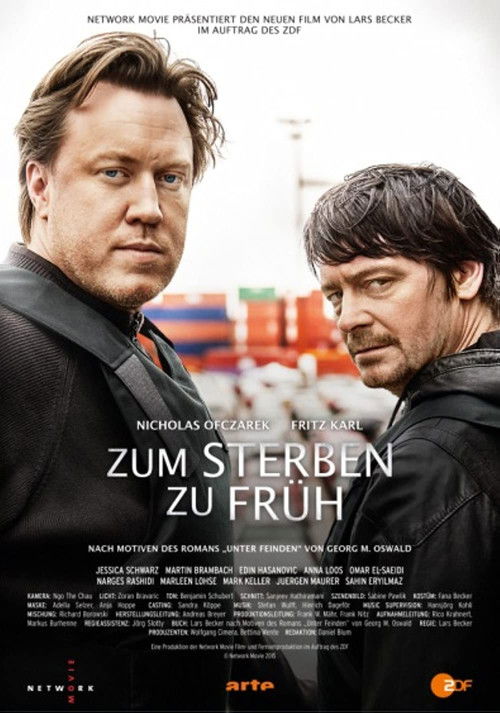
Zum Sterben zu früh
2015
No user ratings available yet
Representation score: 2.6 out of 10
Representation Score
Fair
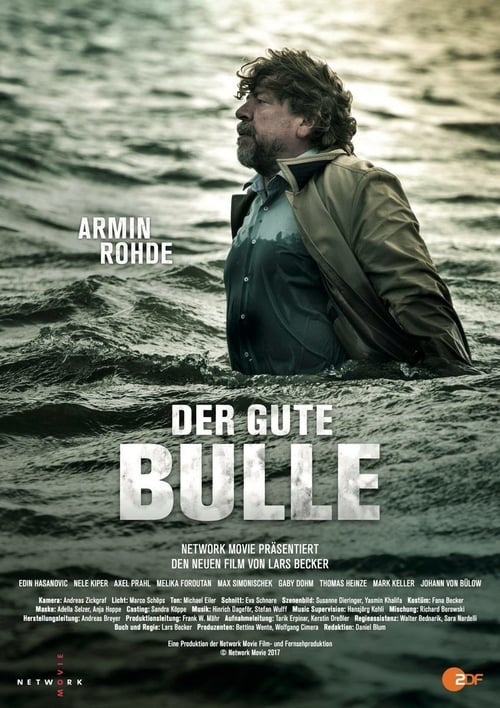
2017
Director
Lars Becker
Runtime
90 minutes
Average Rating
No ratings yetNew Showbiz Analysis
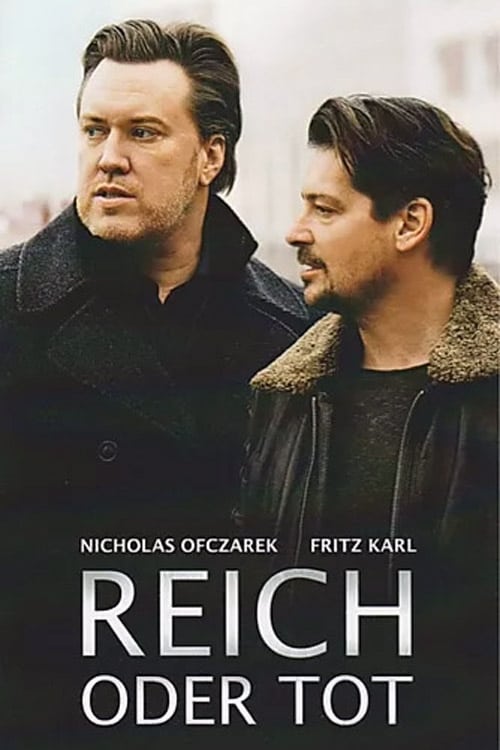
Reich oder tot is a conventional crime drama that relies heavily on established genre clichés. While it includes ethnic diversity and a character with a neurological condition, these elements feel functional rather than transformative. The film prioritizes traditional narrative arcs, such as the struggle against addiction and the restoration of the nuclear family. This focus keeps the story within a familiar, mainstream framework that avoids challenging social hierarchies. Ultimately, the representation of underrepresented identities serves the plot's tension rather than providing deep, multi-layered character development.
Category Breakdown
The film does not include any visible LGBTQ+ characters or narratives that address non-traditional gender identities. The story focuses on traditional family structures and interpersonal conflicts.
The narrative centers around male investigators and antagonists. Although Ruby is a key figure, her role is largely reactive to the actions of the men.
Mohammed's presence introduces ethnic diversity within the Hamburg setting. This inclusion brings a multicultural element through the tension between investigators and the criminal group.
The film adheres to conventional Western values, emphasizing personal redemption and the nuclear family. It does not critique institutions or explore alternative moral frameworks.
Ruby’s epilepsy is a visible neurological condition. However, her disability primarily serves as a high-stakes plot device to increase dramatic tension during the hostage situation.
Present on Screen
Limited or Absent
Official Synopsis
Diller and Kessel, two hardened Hamburg investigators, learn that their "old buddy" Mohammed is planning to rob a bank with his buddies. Kessel is a customer there, of all places. Kessel is divorced because of previous drug problems, but has resolved to win Claire and the children back and has therefore been clean for months. Despite Kessel's warning to the branch manager, the gangsters carry out their plan and take a hostage who happens to be there: Kessel's daughter Ruby, who suffers from epilepsy.
2015

2005
2021
2013
2021
2001
2017
2019
No reviews yet. Be the first to share your thoughts on this movie!
Use the rating form above to leave a star rating and optional review.