Heal
2017
No user ratings available yet
Representation score: 4.8 out of 10
Representation Score
Good
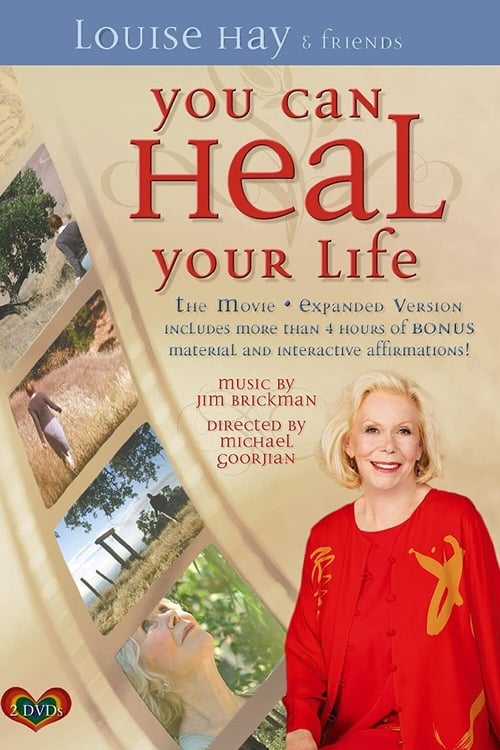
2007
PGDirector
Michael A. Goorjian
Runtime
87 minutes
Average Rating
No ratings yetNew Showbiz Analysis
The documentary centers a female authority figure within the spiritual genre, positioning Louise Hay as a powerful influencer. This offers a progressive shift from traditional male-dominated leadership models. However, the film lacks visible evidence of diverse representation. There is no clear indication of racial, ethnic, or LGBTQ+ identities, suggesting a narrow biographical focus. Ultimately, the work excels in its cultural subversion of religious dogma but falls short in providing a broad range of identity-based narratives.
Category Breakdown
The film focuses on the personal philosophy of Louise Hay. There is no clear indication of LGBTQ+ identities or same-sex relationships.
A female character is the central authority on healing and transformation. This challenges traditional hierarchies that typically favor male leadership in spiritual contexts.
The documentary does not provide specific information about the racial makeup of the subjects or the audience. It follows typical biographical conventions without intentional diverse casting.
The narrative promotes a secular, individualized spirituality that challenges traditional religious institutions. It emphasizes personal affirmations and the power of the self over strict religious doctrines.
Fans claim the subject helped them, but it is unclear if this refers to physical or mental disabilities. The film’s exploration of psychological well-being remains unspecified.
Present on Screen
Limited or Absent
Official Synopsis
In this film, you meet the woman who wakes up every day and proclaims her love for everyone and everything in her path, the woman who popularized “affirmations,” the woman who shakes hands with presidents, dignitaries, celebrities, and who always has an affectionate hug for fans who run up to her at a public appearance or Hay House event to thank her for “saving my life.” And when she embraces them, she’ll insist, “It wasn’t me. It was you.”
2017
2016
2009
2014

2021
2016
2010
2016
No reviews yet. Be the first to share your thoughts on this movie!
Use the rating form above to leave a star rating and optional review.