
Keylor Navas, Hombre de Fe
2017
No user ratings available yet
Representation score: 3.1 out of 10
Representation Score
Fair
1988
Director
Pantelis Voulgaris
Runtime
121 minutes
Average Rating
No ratings yetNew Showbiz Analysis
The film functions as a realistic social drama that deconstructs the idealized athlete archetype. It prioritizes a gritty exploration of human vulnerability and systemic corruption over polished, heroic clichés. While the narrative operates within a traditional demographic framework, it finds strength in its focus on class and the harsh realities of the sports industry. The protagonist's struggle against his environment provides a meaningful social critique. However, the film lacks diversity in terms of gender ability to act and explicit representation of LGBTQ+ or disabled characters. It remains a localized study of masculinity and socio-economic struggle.
Category Breakdown
The film centers on a male protagonist navigating a hyper-masculine football environment. While specific LGBTQ themes are unconfirmed, the focus on loneliness and self-destruction suggests a nuanced look at identity.
The story is heavily centered on a male protagonist's journey through a male-dominated industry. There is a lack of visible women's ability to drive the story within the primary football setting.
Set in specific Greek locales, the film focuses on socio-economic status rather than racial identity. The protagonist's struggle is defined more by class than by ethnicity.
The narrative critiques established institutions and the corruption of professional sports. It avoids nationalistic glory, opting instead for a gritty, realistic view of systemic pressures.
There is no specific evidence regarding the depiction of physical or neurodivergent disabilities in the narrative.
Present on Screen
Limited or Absent
Official Synopsis
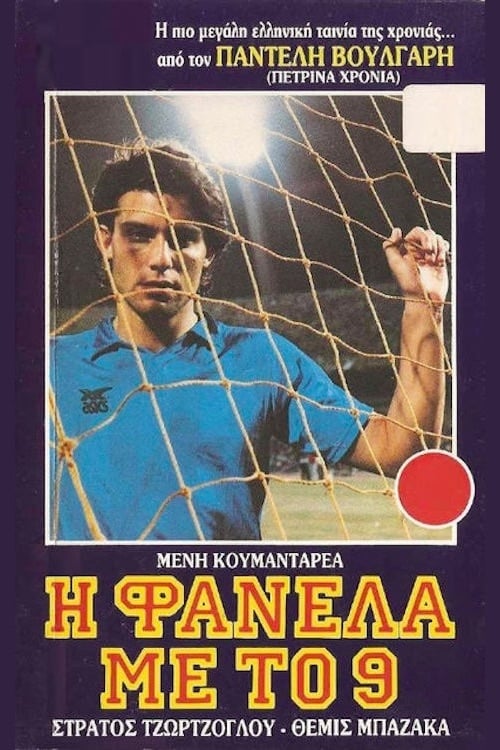
The story of a talented yet self-destructive soccer player in Greece. Based on the novel of the same name by Menis Koumandareas, the film narrates the life and works of Vassilis Seretis, a young, unknown, poor, but talented and ambitious football player, who dreams of conquering the pitches. The hero is willing to give everything and suffer whatever it takes in order to conquer the football world. With his talent as his only weapon, he tries to define his destiny, on a route from Thessaloniki, to Volos and from there to Athens. With him, we taste the mud of the fields, the loneliness of the countryside, the "sold out" matches, but also the ephemeral glow of success. Pantelis Voulgaris signs a film that left an era, as, in addition to its original directorial perspective, it outlines the phenomenon of Greek football in a poetic and at the same time realistic way.
2017

1963

2007

2015

1996

2023

2016

2024
No reviews yet. Be the first to share your thoughts on this movie!
Use the rating form above to leave a star rating and optional review.