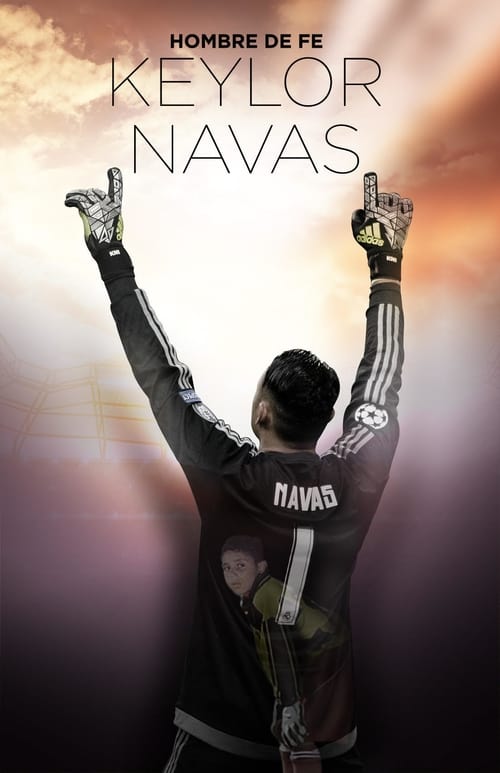
Keylor Navas, Hombre de Fe
2017
No user ratings available yet
Representation score: 3.1 out of 10
Representation Score
Limited
2016
PGDirector
Fernando Villarán
Runtime
92 minutes
Average Rating
No ratings yetNew Showbiz Analysis
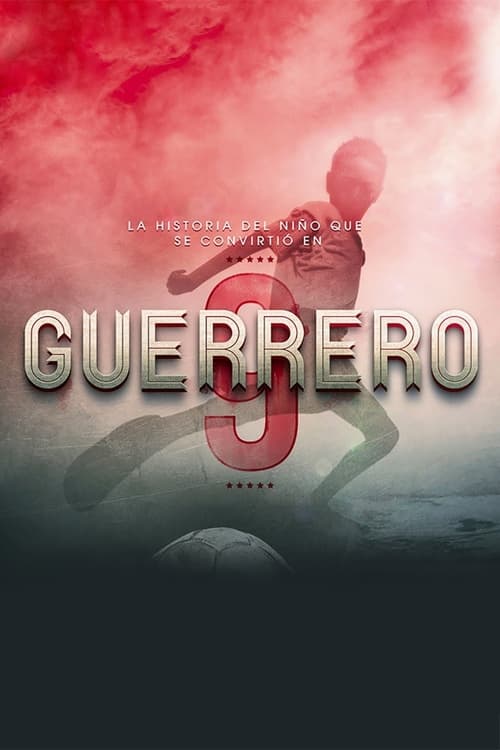
Guerrero: The Movie is a biographical drama that prioritizes national identity and individual perseverance. It succeeds in providing regional representation by centering a Peruvian narrative, offering a perspective outside of Western-centric cinema. However, the film relies heavily on traditional storytelling clichés. The character arcs follow conventional paths of masculine achievement and familial stability, offering little challenge to established social or gender hierarchies. Ultimately, the film functions as a celebration of meritocracy and personal grit. While culturally significant for its local context, it lacks depth in representing multiple aspects of diversity or exploring varied identities.
Category Breakdown
The film focuses on a traditional family journey centered around a male protagonist. There is no evidence of LGBTQ+ identities or narratives that question the assumption that everyone is straight or cisgender.
The story follows a traditional path of masculinity, emphasizing discipline and physical struggle. While the mother provides foundational support, the main storyline revolves around the male protagonist's professional success.
The film offers meaningful representation by centering a Peruvian icon. This provides a non-Anglo-Saxon cultural context that moves away from Western-centric cinematic norms.
The narrative emphasizes conventional social values such as discipline and parental support. It celebrates meritocratic ascent through sports without challenging institutional or social structures.
A father's injury serves as a plot point, but it is unclear if disability is explored with real depth. The role of injury remains a narrative catalyst.
Present on Screen
Limited or Absent
Official Synopsis
At age ten, Paolo asks his mother he wants to meet his father, an unknown soccer player who retired early due to an injury. The boy does not know it, but the reunion with his father and with his discipline, incites in him a change of character that will turn him into the professional soccer player that all Peruvians know well; the warrior, the fighter. Paolo with the help of his neighborhood friends and with all the support from his mother, manages to overcome obstacles and fulfill his dream.
2017
2008

2017

2011

1996
2023

2020

2005
No reviews yet. Be the first to share your thoughts on this movie!
Use the rating form above to leave a star rating and optional review.