
Moneyball: Playing the Game
2012
No user ratings available yet
Diversity score: 2.9 out of 10
2014
Director
Joe Lavine, Cayman Grant
Runtime
77 minutes
Average Rating
No ratings yetSynopsis
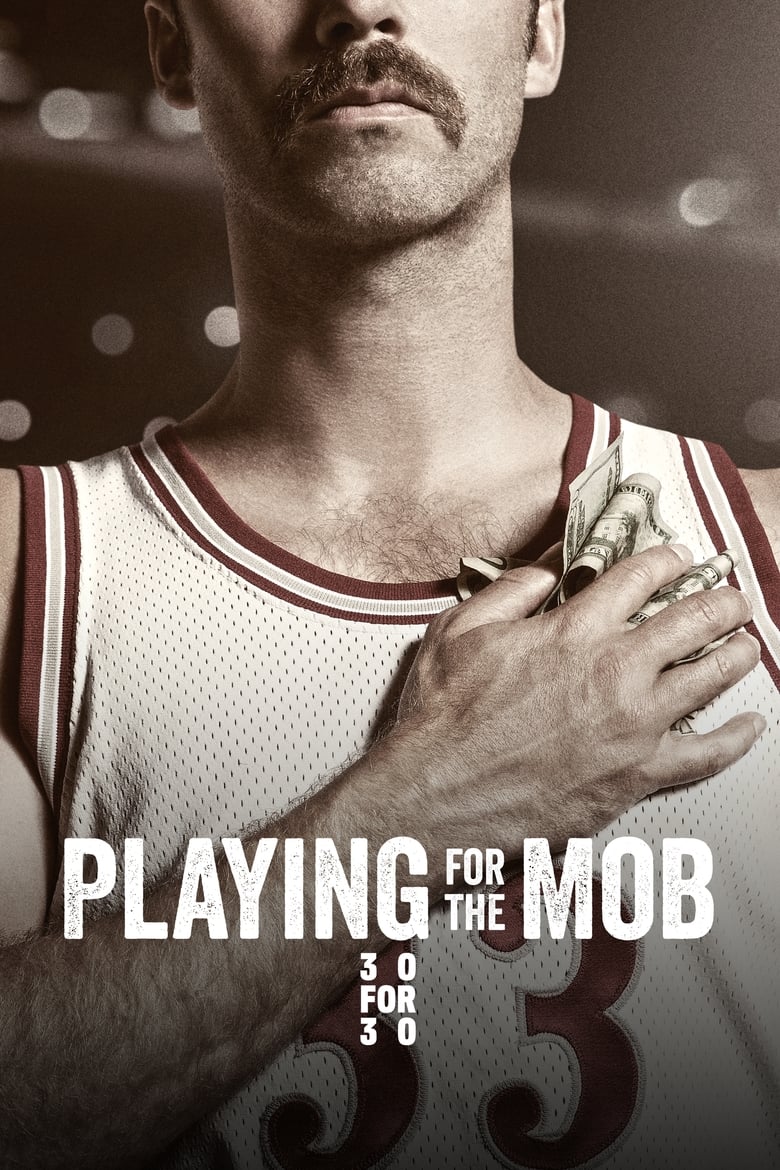
The story of how mobster Henry Hill - played by Ray Liotta in Martin Scorsese 1990 classic, Goodfellas - helped orchestrate the fixing of Boston College basketball games in the 1978-79 season. The details of that point-shaving scandal are revealed for the first time on film through the testimony of the players, the federal investigators and the actual fixers. Playing For The Mob may be set in the seemingly golden world of college basketball, but like Goodfellas, this is a tale of greed, betrayal and reckoning. Ultimately, they both share the same message: With that much money at stake, you can't trust anybody.
Overall Score
Limited
Category Breakdown
LGBTQ+ Representation
The film focuses on the intersection of organized crime and collegiate sports. There is no evidence of LGBTQ+ characters or themes within this investigation.
Gender Representation
The narrative is centered on a male-dominated environment of mobsters and athletes. It does not feature significant female agency or subvert gender hierarchies.
Racial & Ethnic Diversity
The subjects reflect the demographic realities of 1970s Boston and Italian-American organized crime. The film uses a traditionalist archival approach to this specific subculture.
Religious & Cultural Diversity
The documentary deconstructs the idealized view of collegiate sports. It critiques systemic corruption and the breakdown of institutional integrity within the basketball world.
Disability Representation
The focus remains strictly on the legal and criminal mechanics of the scandal. There is no mention of characters navigating visible or invisible disabilities.
Strengths
Areas for Improvement
AI Analysis
Playing for the Mob is a forensic examination of institutional decay rather than a study of intersectional identity. It prioritizes the mechanics of a point-shaving scandal over diverse representation. The film succeeds in dismantling the myth of institutional purity in collegiate athletics. It offers a cynical view of how greed and organized crime can corrupt established Western systems. However, the documentary lacks significant representation across most identity-based vectors. It remains anchored in the specific, male-dominated demographics of the 1970s Boston crime and sports scenes.
2012

2016
2020
2011

2015
2015
2018

2015

2022

2018

2013
2012
No reviews yet. Be the first to share your thoughts on this movie!
Use the rating form above to leave a star rating and optional review.