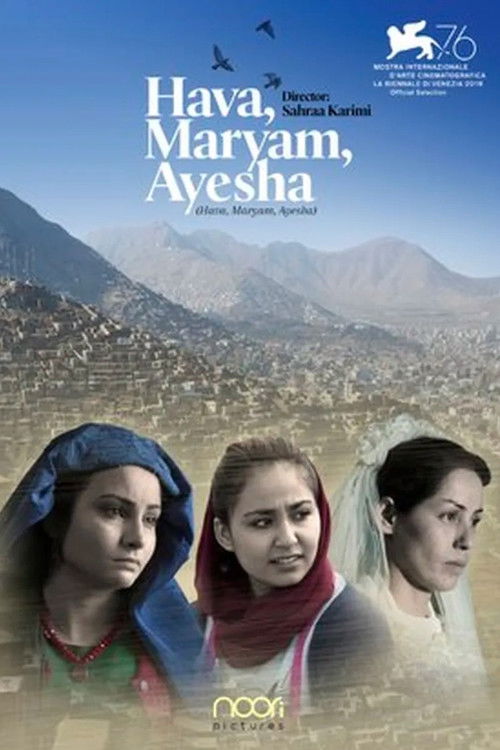
Hava, Maryam, Ayesha
2019
No user ratings available yet
Diversity score: 6.9 out of 10
2010
RDirector
Tyler Perry
Runtime
134 minutes
Average Rating
No ratings yetSynopsis
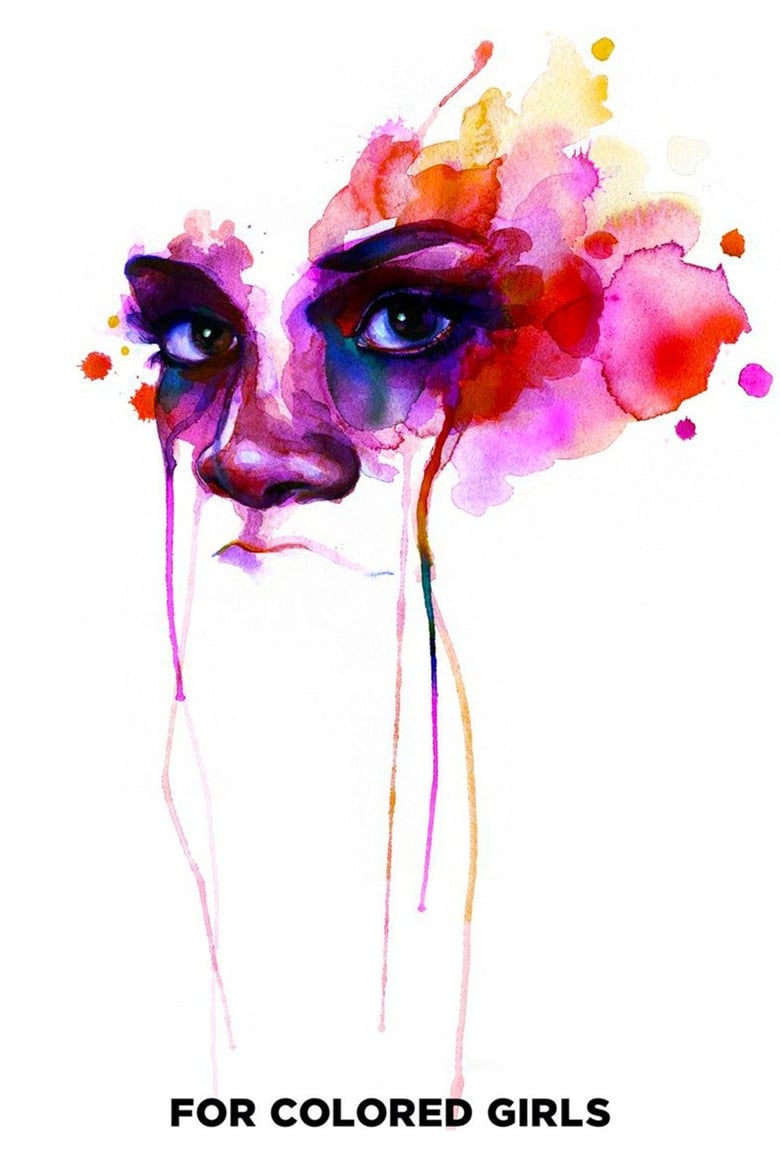
A film about existence from the perspective of 20 nameless black females. Each of the women portray one of the characters represented in the collection of twenty poems, revealing different issues that impact women in general and women of color in particular.
Overall Score
Good
Category Breakdown
LGBTQ+ Representation
The film focuses almost exclusively on heteronormative struggles and cisgender female identity. There are no explicit depictions of same-sex romantic pairings or non-cisnormative gender identities.
Gender Representation
The narrative disrupts traditional hierarchies by centering the emotional agency and intellectual depth of twenty Black women. It uses a choreopoem format to explore female autonomy and critique patriarchal structures.
Racial & Ethnic Diversity
The film achieves exceptional racial specificity by centering an exclusively Black female cast. It moves away from color-blind casting to embrace a deep, intersectional focus on Black womanhood.
Religious & Cultural Diversity
The storytelling explores how systemic oppression impacts the family unit and self-identity. It challenges Western norms by prioritizing subjective morality and the survival strategies necessitated by trauma.
Disability Representation
The film lacks explicit depictions of physical or sensory disabilities. It does offer a look at invisible mental health struggles, though these are often framed through the lens of personal tragedy.
Strengths
Areas for Improvement
AI Analysis
Tyler Perry’s adaptation of Ntozake Shange’s work is a radical departure from his usual commercial structures, opting for an experimental, non-linear narrative. The film succeeds by reclaiming cinematic space for Black women, providing a sophisticated exploration of intersectional identity and systemic trauma. However, the work remains limited by its narrow focus on heteronormative dynamics and a lack of visible disability representation. While it masterfully centers the Black female experience, it misses opportunities to include diverse gender identities and non-tragic depictions of disability. Ultimately, the film serves as a powerful critique of traditional power dynamics. It prioritizes the internal lives and collective sisterhood of its characters, making it a significant piece of intersectional storytelling.
2019
2009
2013
2014
2023
2010

2020
2012
1997
2017
2026
1991
No reviews yet. Be the first to share your thoughts on this movie!
Use the rating form above to leave a star rating and optional review.